
The problem is the gap between shifts
Restaurant cleaning services are useful when they give a Manchester business clear ownership of work that would otherwise be missed. A chef can finish a station, a server can reset the dining room and an outside cleaner can complete an agreed visit, yet a shared area may still be overlooked because everyone assumes someone else handles it. A reliable routine names the task and the person responsible.
For a manager, the starting question is not simply how often a cleaner should attend. It is what happens before opening, during service, at close and between deeper visits. This guide follows those handovers. It explains how to compare the work already done by your staff with the support you want from a contractor, without promising that an outside clean guarantees a food hygiene rating or replaces the restaurant’s own controls.
Start with what the opening team needs to see
The opening check should be specific enough to reveal unfinished work before preparation and customers make access difficult. Use the restaurant’s agreed procedures to identify the areas that must be checked, who checks them and what happens if something is not ready. A signature without a clear task description does not explain whether a person looked at the work or merely confirmed that somebody attended.
Make room for exceptions in the record. If a cleaner could not reach an area because equipment was left there, the manager needs that information before the next shift uses the space. The note should identify the location and who was told. Avoid a single all-done box that can hide a missed area or a maintenance fault among many completed tasks.
Give food areas their own instructions
The kitchen’s cleaning arrangements must fit its wider food safety procedures. Food preparation surfaces, utensils and equipment need instructions suited to their use, materials and the products involved. Tell an outside contractor which areas are available, what preparation your staff will do and how the handover back to the kitchen will be checked. Do not assume that a general cleaner knows the exact purpose of every bench or appliance.
The World Health Organization’s Five Keys to Safer Food puts keeping clean alongside separating raw and cooked food, thorough cooking, safe temperatures and safe water and raw materials. That is a useful reminder that cleaning is one part of food safety. This global educational guidance does not replace the requirements and procedures applicable to a restaurant in England.
When requesting restaurant cleaning, explain the division between the kitchen staff’s tasks and the contractor’s work. Ask for any uncertainty to be settled in the written specification. The cleaning visit should support the system already in place rather than introduce a separate set of assumptions about how food areas are managed.
Plan for spills and touchpoints during service
An evening or early-morning visit does not take responsibility for conditions that change while the restaurant is open. Decide who responds to a spill, checks customer washrooms and deals with bins during service. Provide the staff responsible with the appropriate instructions and supplies. A cleaning contract can define its attendance, but it cannot make those needs disappear between visits.
Think through a simple situation before it happens. A drink spills near a busy doorway while a delivery arrives. Staff need to know who protects the area, which method is suitable and how people can use an alternative route. The answer should come from the premises’ procedures, not from whichever person happens to find a mop first. Review the arrangement if the layout or service pattern changes.
Separate dining-room presentation from kitchen work
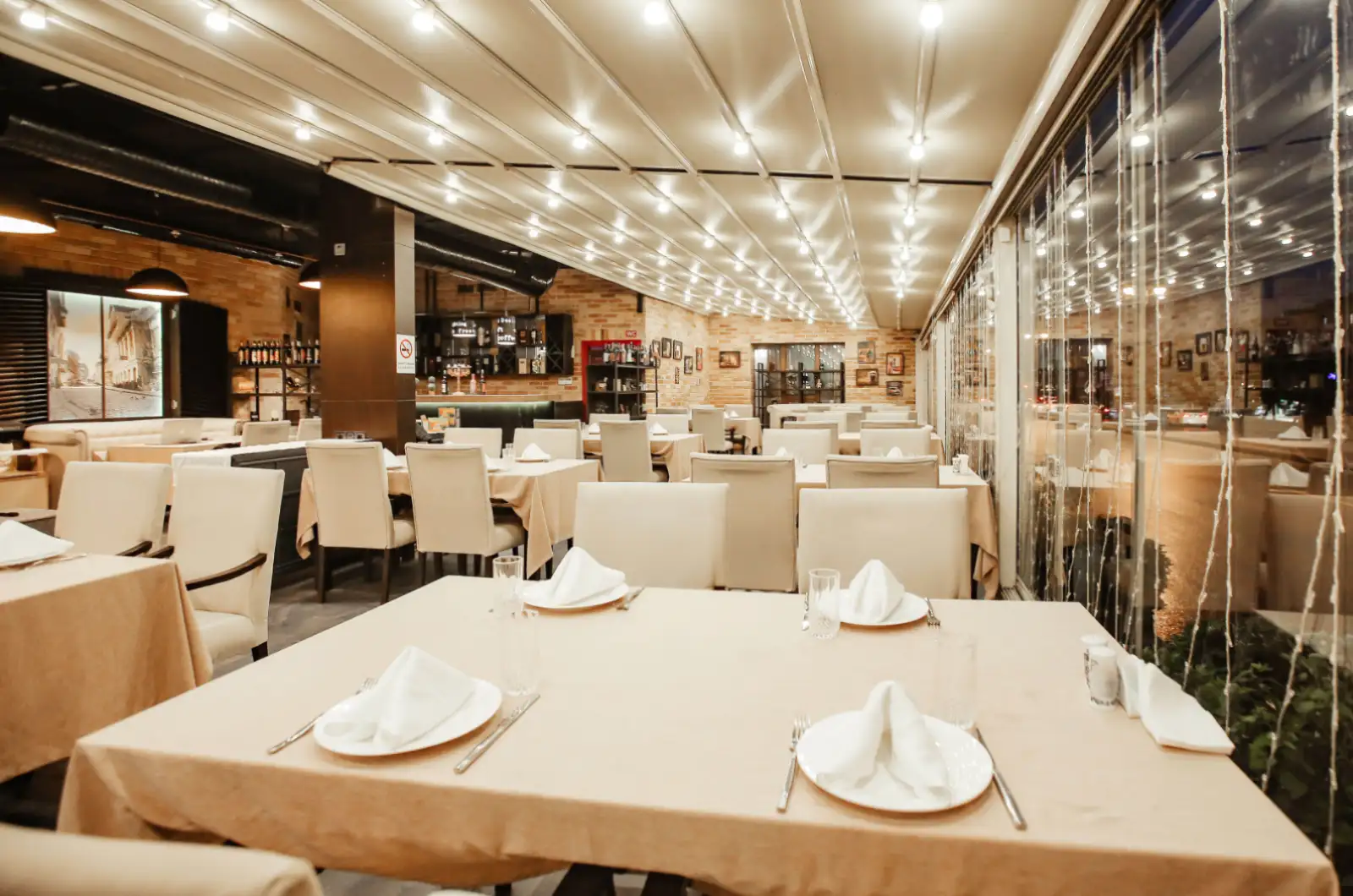
Customers notice table edges, chair frames, entrance mats and washrooms. List the relevant tasks instead of treating front of house as one undifferentiated room. Some work happens after each customer, some during a quieter part of the shift and some when the area is closed. State which team handles each interval so a scheduled contractor visit is not mistaken for continuous cover.
Check the care requirements for furnishings and finishes. A suitable method for a hard table surface may not suit a fabric seat or decorative timber. Explain loose fixtures, damaged surfaces or previous treatment concerns to the contractor. If specialist upholstery work is needed, arrange an assessment separately rather than adding a vague instruction to clean every chair to an ordinary nightly list.
Make the closing handover practical
Before the contractor arrives, agree which items your staff will clear and what equipment needs preparation. Food, personal belongings and service equipment can prevent access even when the booking itself is confirmed. Give the closing supervisor a brief list of the actions needed to release each area. If the restaurant is running late, tell the contractor which spaces remain occupied.
Keys and alarms need their own arrangement. Name the contact for a locked entrance, an alarm problem or an unexpected person on site. Explain any shared access or restrictions imposed by the building. The task list should not assume that cleaners can enter every room simply because they have a key to the front door.
Know what belongs outside the routine visit
Accessible surfaces and agreed floors are different from hidden extraction ducts, appliance servicing or repairs. List those boundaries clearly. A cleaner who finds a leak, damaged fitting or inaccessible section should report it to the responsible person, not improvise a repair. Likewise, ordinary cleaning should not be presented as pest treatment or a technical assessment of ventilation performance.
If the premises need a larger reset, discuss a separate commercial deep clean with its own scope, access requirements and handover. Adding more tasks to an unchanged routine visit can leave both sides with unrealistic expectations. Decide what the additional work involves before agreeing when it will be done.
Check supplies and storage responsibilities
Ask who supplies each product, piece of equipment and consumable used for the agreed work. If materials are kept on site, confirm the storage location and the access arrangement. Staff should not borrow or decant an unfamiliar product simply because it is in the cleaning cupboard. The contractor’s product instructions and the site’s procedures need to be understood by the people using them.
Consumables can fall between contracts. A clean handwashing area still needs the supplies required by the restaurant’s procedures. Record who checks stock, who orders replacements and who replenishes the area during service. These responsibilities may belong to restaurant staff even where an outside team cleans the room. Put that distinction in the task list so it is visible to a replacement supervisor.
Use exceptions to improve the next visit
A useful completion note identifies what was not done and why. It might record an occupied dining area, equipment that was not ready or a damaged surface that needs assessment. The manager can then decide whether to adjust the timing, arrange another visit or commission maintenance. Repeating the same exception without assigning a next action leaves the problem unresolved.
Look for patterns over several visits. If one doorway is repeatedly blocked, the issue may be the closing routine. If a surface cannot be cleaned effectively because its finish has failed, the issue may be repair. Do not measure the contractor only by the number of ticks on a form; check whether the record describes the actual premises and helps the next person act.
Compare contractors with the same task list
Give each supplier the same areas, access times and proposed tasks. Ask what is included, what is excluded and what needs a survey. Compare the work offered before comparing prices. A quotation for reachable kitchen surfaces is not the same as one that includes assessed equipment cleaning, and neither automatically includes an extraction-system specialist.
Ask how changes will be agreed. A new piece of cooking equipment, a larger dining area or different opening hours can alter the work. Record who can approve an extra task and how any additional cost is confirmed before it begins. That is clearer than expecting the cleaner and the closing staff to negotiate a different contract during a busy service.
Keep the first review close to the real work
After the arrangement starts, compare the specification with a completed visit. Ask the opening and closing supervisors where the handover was clear and where it was not. Check whether the contractor had the promised access and whether the report reached the right person. Adjust confirmed gaps in writing so the next visit uses the corrected instructions.
A restaurant can change quickly, and a task list should change with it. Review responsibilities when staff, equipment or routines change. Keep the current version available to the people who need it and remove superseded copies from day-to-day use. The point is to make the cleaning arrangement easy to follow under working conditions, not merely tidy in a proposal.
Set up an arrangement that matches your premises
When discussing an EPC commercial cleaning contract, send the restaurant address, opening pattern, areas needing support and any access limitations. Explain what your own team already covers and where work is being missed. Ask for a written scope that makes those boundaries clear.
The result to look for is a practical division of work, a named handover and a record of exceptions. That gives managers a way to check the service and improve it. It is a firmer basis for choosing a restaurant cleaner than promises about guaranteed ratings, higher sales or a permanently spotless building.