
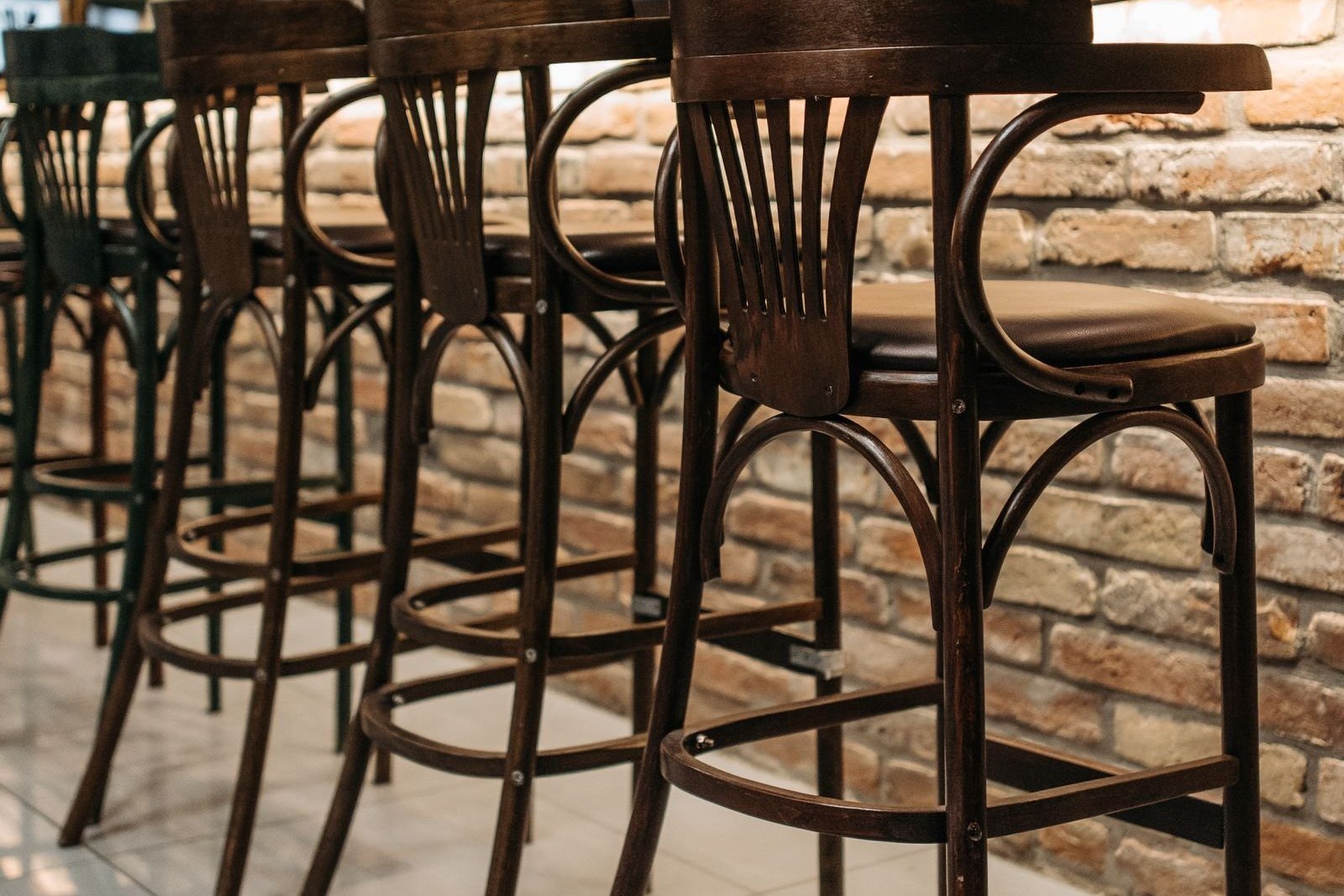
Sunday night in a Manchester pub after a big weekend tells the truth about the venue. The tills have been busy, the staff are done in, and the building is wearing everything the last three days threw at it, spilt beer worked into the floor, sticky tables, toilets that took a hammering, a kitchen that ran flat out and a cellar that needs attention before the next delivery. Monday’s trade does not care about any of that. The doors open and the venue is judged fresh.
The difference between pubs that look tired by Thursday and pubs that look sharp every session is rarely effort on the night. It is whether the venue has a proper recovery system, a cleaning structure that assumes weekends will be brutal and resets the building on schedule. This guide walks through what that system looks like for licensed premises, from the trading floor to the cellar, and where professional support earns its keep.
Why Licensed Premises Get Dirty Differently
A pub combines the worst cleaning conditions of several industries in one building. It has the food soil of a restaurant, the footfall of retail, the toilet load of a venue and a product that is itself sticky, staining and everywhere. Beer and spirits atomise off the bar, splash from glasses and soak into everything porous. Sugar residues from mixers and cordials leave a tack on tables and floors that ordinary mopping smears rather than removes.
The clientele factor is real too. Late-session customers are harder on a building than lunchtime diners. Glass breakages, spills that never get reported, toilets used carelessly and the occasional incident that needs biohazard-level response are all part of a normal weekend, and the cleaning system has to absorb them as routine rather than treat them as emergencies.
The Morning After Routine That Protects the Session
Whatever happened on Saturday night, the venue has to be presentable by opening. The daily reset, whether done by staff, contractors or a mix, needs to cover a consistent list.
- All tables, bar tops and drip trays degreased, not just wiped, because sugar film builds coat by coat
- Floors swept and mopped with product that cuts beer residue, with machine scrubbing where flooring allows
- Toilets fully cleaned, disinfected, restocked and checked for damage from the night before
- Bar back areas, speed rails, bottle shelves and the floor behind the bar, which staff stand in spilt product all night
- Entrance glass, door furniture and the frontage, including cigarette debris outside the door
- Furniture checked and reset, with sticky or marked seating noted for attention
The venues that stay ahead treat this list as non-negotiable seven days a week. The ones that slide do the full job on quiet days and a shortcut version after busy nights, which is precisely backwards, because the busy nights are when the building took the load.
Floors Take the Worst of It
Nothing in a pub declines faster than the floor. Spilt beer dries to a film that grabs soil from every shoe, and by Sunday a busy trading floor can feel physically sticky underfoot, which customers register even when they cannot name it.
Timber and stone floors need regular machine scrubbing, not just mopping, because a mop redistributes dissolved sugars as much as it removes them. Periodic deep treatment, scrubbing at low speed with the right chemistry, then rinsing and recovering the solution, is what actually strips the residue layer. Carpeted areas, still common in traditional pubs and dining rooms, hold beer, food and odour in the pile and need scheduled extraction through a professional carpet cleaning visit, typically far more often than the equivalent domestic carpet. Entrance matting matters as much here as anywhere, and in wet Manchester weather it is also a slip-safety issue at the threshold.
Toilets Make or Break the Review
Read the online reviews of any pub in the city and count how many mention the toilets. Customers treat them as a proxy for the kitchen, the cellar and everything else they cannot see, and they are not entirely wrong to.
Weekend toilet traffic in a busy bar is relentless, and the standard cannot be held with a single morning clean. The pattern that works is a thorough daily clean and disinfection before opening, checks on a defined rota through every trading session, with paper, soap and bins maintained and problems dealt with immediately, and a periodic deep clean that gets at what daily cleaning cannot, descaling of urinals and fittings, drain treatment, machine cleaning of floors and grout, and the wall areas around fixtures. Odour in a pub toilet is nearly always a floor and grout problem or a urinal scale problem. Air fresheners fight the symptom, and the deep clean removes the cause.
Kitchens and the Standards Inspectors Expect
Any venue serving food carries the same hygiene obligations as a restaurant, and the food hygiene rating on the door affects trade the moment it slips. The kitchen regime needs daily cleaning of surfaces, equipment and floors as part of the closing routine, plus scheduled deep cleaning of the things daily work cannot reach, canopy and extraction systems, behind and beneath equipment, drains and gullies, wall surfaces and high-level fittings.
Grease is the compounding enemy. It migrates from the cooking line onto every surface in the room and, through the extract system, into ducting where it becomes a fire risk as well as a hygiene failure. Professional kitchen and restaurant cleaning on a planned cycle keeps the venue inspection-ready rather than inspection-anxious, and the records from it are exactly what an environmental health officer wants to see.
Cellars, Glassware Areas and the Parts Customers Never See
Beer quality lives in the cellar, and cellar hygiene is part of cleaning even though line cleaning itself sits with the bar team. The cellar floor, walls, shelving and drainage need regular cleaning, cool and damp as the space is, because mould and odour establish quickly and taint everything the space touches. Training bodies for the licensed trade such as the British Institute of Innkeeping put cellar management and venue standards at the core of professional licensee skills, and the state of the cellar is one of the fastest ways to judge how a venue is really run.
Glass wash areas deserve the same discipline. The machine, its filters and the surrounding surfaces sit wet and warm all day, and a neglected glass wash corner undoes good cellar work one cloudy glass at a time. Bottle stores and bin yards complete the hidden picture, since sugar residue on the floor of either draws flies and worse within days in warm weather, and pest problems in licensed premises always start in the places nobody was watching.
Beer Gardens and Frontage
Outdoor trade is now year-round money in Manchester, and outdoor areas weather fast. Tables and seating need the same daily standard as indoors, floors and paving need sweeping and periodic pressure washing, planters and smoking areas need debris control, and heaters, parasols and festoon fittings gather grime that shows badly in daylight. The frontage is the venue’s first impression to every passer-by, and a clean, well-kept exterior is quiet advertising every hour of the day. Venues on busy Manchester corners get photographed constantly, tagged in stories and passed by thousands of potential customers a week, and the frontage does its selling long before anyone reads a menu.
Structuring Who Does What
Most venues run a hybrid model, and it works when the split is explicit. Bar and kitchen teams own the trading-session tasks, wiping, restocking, spot response and closing routines. A commercial cleaning contractor owns the structural work, the daily morning reset if staffing is tight, and the periodic programme, floor machine work, toilet deep cleans, kitchen deep cleans, carpet and upholstery extraction, and high-level work. The failure mode is the unwritten split, where everyone assumes someone else owns the grout, and the venue slides one skipped task at a time. Write the split down, give every task a frequency and an owner, and audit it monthly like stock. The audit does not need to be elaborate, a walk of the venue with the checklist and a phone camera before opening on a quiet morning, but it needs a date in the diary and a named owner, because the checks that live in someone’s head stop happening the first busy fortnight.
A pub that opens sharp on Monday after its biggest weekend of the month is not lucky, it is systemised. Daily resets that assume heavy trade, session-time checks that hold the line, and a periodic deep programme that clears the debt before it compounds. Customers never see the system. They just keep coming back to a venue that feels looked after, and they tell the reviews the same thing.
We support pubs, bars and venues across Greater Manchester with morning resets, scheduled deep cleans, kitchens, floors and everything between, timed around your trading hours. If your building is carrying weekend debt it never quite clears, request a free quote and we will walk the venue and put a recovery system in place.