
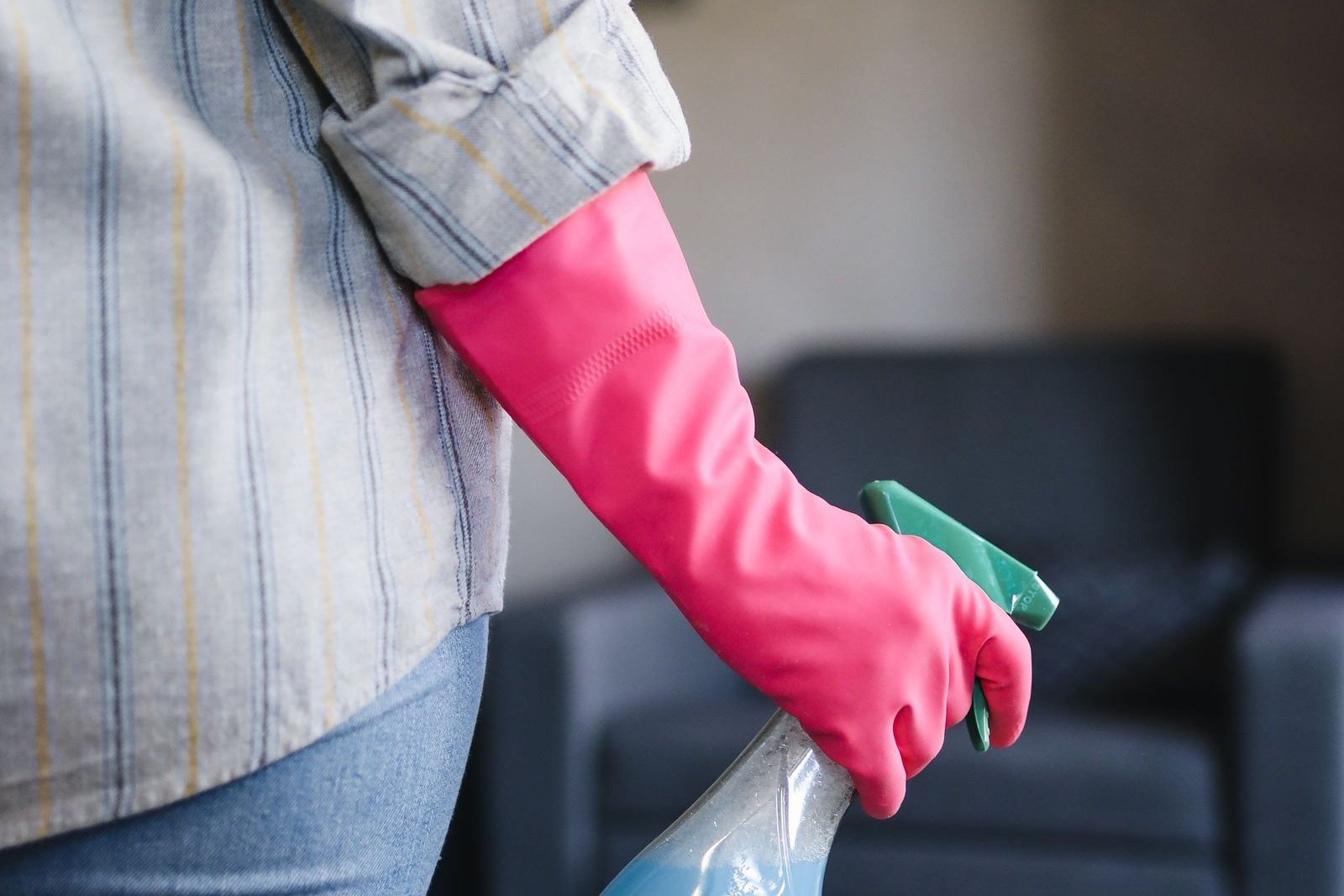
Retail gives you seconds. A shopper glancing through the door of a Manchester store makes a near-instant judgement about whether it is their kind of place, and cleanliness is baked into that judgement before a single product registers. Smeared entrance glass, a dull floor, dust on a shelf edge, a fitting room with someone else’s debris on the floor, each one quietly tells the customer that detail does not matter here, and detail is exactly what they are about to spend money on.
The commercial stakes are not abstract. Cleanliness shapes whether people enter, how long they stay, whether they touch the products and whether they come back, and in a city with the retail density of Manchester, the shop next door is always one doorway away. Physical stores compete with online on experience, and experience starts with the state of the space. This guide sets out the cleaning standards that well-run stores hold, how the work divides between store teams and professionals, and where the effort pays back hardest.
The Entrance Decides Who Comes In
The threshold is the highest-value square metre in the store and the hardest to keep clean, because all of Manchester walks through it, often wet. The standard that works is simple and relentless. Glass doors and frontage windows cleaned every day, because glass shows every fingerprint and rain mark and is the single most-noticed surface in retail. Entrance flooring managed continuously, with proper matting doing the invisible work of stripping water and grit from shoes before they reach the sales floor, and wet weather routines, extra matting, prompt mopping and signage, treated as standard operating procedure rather than crisis response. The external frontage counts too, the fascia, the sill, the pavement immediately outside and whatever collects in the doorway overnight. A store that opens with yesterday’s debris at its own front door has lost customers before nine, and on a busy Manchester street those customers walked into somebody else’s doorway thirty seconds later.
Sales Floor Standards Shoppers Actually Notice
Shoppers do not consciously inspect a store, but their eyes catch a consistent set of failures, and the daily standard should be built around exactly those.
- Floors clean edge to edge, since eyes fall on the floor line along fixtures, and scuffed or dusty edges read as neglect even when the middle is clean
- Shelf edges, product plinths and display tops dust-free, because dust on a display transfers straight onto the product and the brand
- Mirrors and glass showcases polished, as every smear sits between the customer and the merchandise
- Till points and counters clean and uncluttered, being the one place every buying customer stands still and looks around
- Bins, if visible at all, never more than half full
- Air that smells neutral or intentional, never of food, damp or yesterday
Lighting doubles the effect of everything on this list. Retail lighting is designed to make products shine, and it makes dust and smears shine just as effectively, which is why a standard that looks fine in a stockroom fails on a lit sales floor.
Fitting Rooms and Toilets Are Trust Tests
The two most private spaces a store offers are where customers judge it most harshly. Fitting rooms concentrate everything difficult, high traffic, mirrors, floors that collect pins, tags, hair and dust, and a customer standing in socks with time to look around. They need a defined check rota through trading hours, not just a nightly clean, with mirrors, seats, hooks and floors held to bedroom standard. Customer toilets, where offered, are read exactly the way restaurant toilets are, as a proxy for everything the customer cannot see. Cleaned and disinfected before opening, checked on a logged rota through the day, stocked and functional, always. Food retailers and stores with cafes carry formal hygiene obligations on top, the territory of environmental health professionals whose standards are championed by the Chartered Institute of Environmental Health, and inspection outcomes there are public, permanent and directly linked to trade.
The Nightly Reset Versus the Trading Day
Retail cleaning splits naturally into two operations, and stores that conflate them fail at both. The nightly reset, after close or before open, is the real clean, floors vacuumed and machine cleaned by type, glass and mirrors done properly, displays and fixtures dusted, tills and counters sanitised, fitting rooms reset, toilets and staff areas fully cleaned, entrance and frontage prepared for the morning judgement. This is professional work done to a specification while the store is empty, and it is what a retail cleaning service is structured around.
The trading-day layer is different in kind, continuous light maintenance by store staff with clear ownership, spills dealt with immediately and safely, entrance floors watched in wet weather, fitting rooms and toilets checked on rota, and the visible touch points, door handles, card terminals, basket and trolley handles, wiped through the day. The store team cannot deep clean and the night team cannot respond at two in the afternoon, and the written split between them is the actual cleaning system.
Floor Care Is the Long Game
Retail floors take footfall that office floors never see, and they are usually chosen for looks, polished vinyl, timber, stone and tile that all show wear fast under grit. Daily dust control and correct-chemistry cleaning is the baseline, but the difference between a store that still looks new at year five and one that looks tired at year two is the periodic machine cycle, scrubbing, burnishing and re-polishing on a schedule matched to footfall, exactly the discipline covered by planned hard floor cleaning and maintenance. Carpeted areas, common in premium retail and department settings, hide their soil until it is severe, and need scheduled extraction through professional carpet cleaning well before they look like they need it, because by then every customer has been walking on the evidence for months.
Back of House Discipline Shows Up Front
Stockrooms, staff rooms and delivery areas never meet a customer, but their standard leaks onto the sales floor in a dozen ways. Dust from an unswept stockroom travels on stock and hands. A cluttered goods-in area slows replenishment and breeds the cardboard drifts that end up propped in corridors. A grim staff room tells the team exactly how much standards matter, and teams mirror what they are shown. Keeping back of house on the same specification as front of house, adjusted in frequency rather than principle, is one of the habits that separates professionally run stores from the rest, and it makes audits, whether from head office, landlords or environmental health, uneventful instead of frantic.
Periodic Deep Cleans and Seasonal Peaks
Even a well-maintained store accumulates load that nightly cleaning cannot clear, and retail has natural moments to deal with it. A full deep clean, high-level dusting of ceilings, vents, lighting tracks and signage, machine restoration of floors, fixture washing, stockroom clearance cleaning and entrance glass at height, fits naturally into refit windows, January lulls and pre-peak preparation. Sale periods deserve their own mention, because a store that has just survived a clearance weekend carries a full peak’s worth of wear in three days, and the recovery deep clean afterwards is what stops sale damage becoming the new normal. The pre-Christmas deep clean is the one no Manchester retailer should skip, because the store is about to meet its highest footfall, its most first-time visitors and its most unforgiving lighting of the year in the same six weeks, and it will not get another proper cleaning window until January.
Standards Survive on Structure, Not Intent
Every retailer intends to keep a clean store. The ones that actually do it hold four structural pieces, a written specification for the nightly reset with a professional team delivering it, a named trading-day ownership rota inside the store team, scheduled periodic cycles for floors, deep cleans and glass at height, and a simple audit habit, a weekly walk of the store as a customer would see it, entrance first, floor line, mirrors, fitting rooms, toilets. Fifteen minutes with fresh eyes catches the drift that familiarity hides, and it keeps the standard a system instead of a mood. Multi-site operators formalise the same walk into a scored checklist across branches, which turns store cleanliness into a comparable number and stops the quiet slide of the branch nobody visits.
Cleanliness is the cheapest retail upgrade there is. It needs no capital project and no consultant, just a specification, a schedule and a team that delivers it every night, and it pays back through the only metrics that matter, people entering, staying, buying and returning. In a competitive city, the sharp store wins by default over the tired one.
We provide nightly, early-morning and periodic cleaning for retail premises across Greater Manchester, from single boutiques to multi-site operators, backed by the wider capabilities of our commercial cleaning service. If your store deserves to look as good as its stock, request a free quote and we will walk the store with you and build a specification around your trading hours, your floor types and your busiest weeks.