
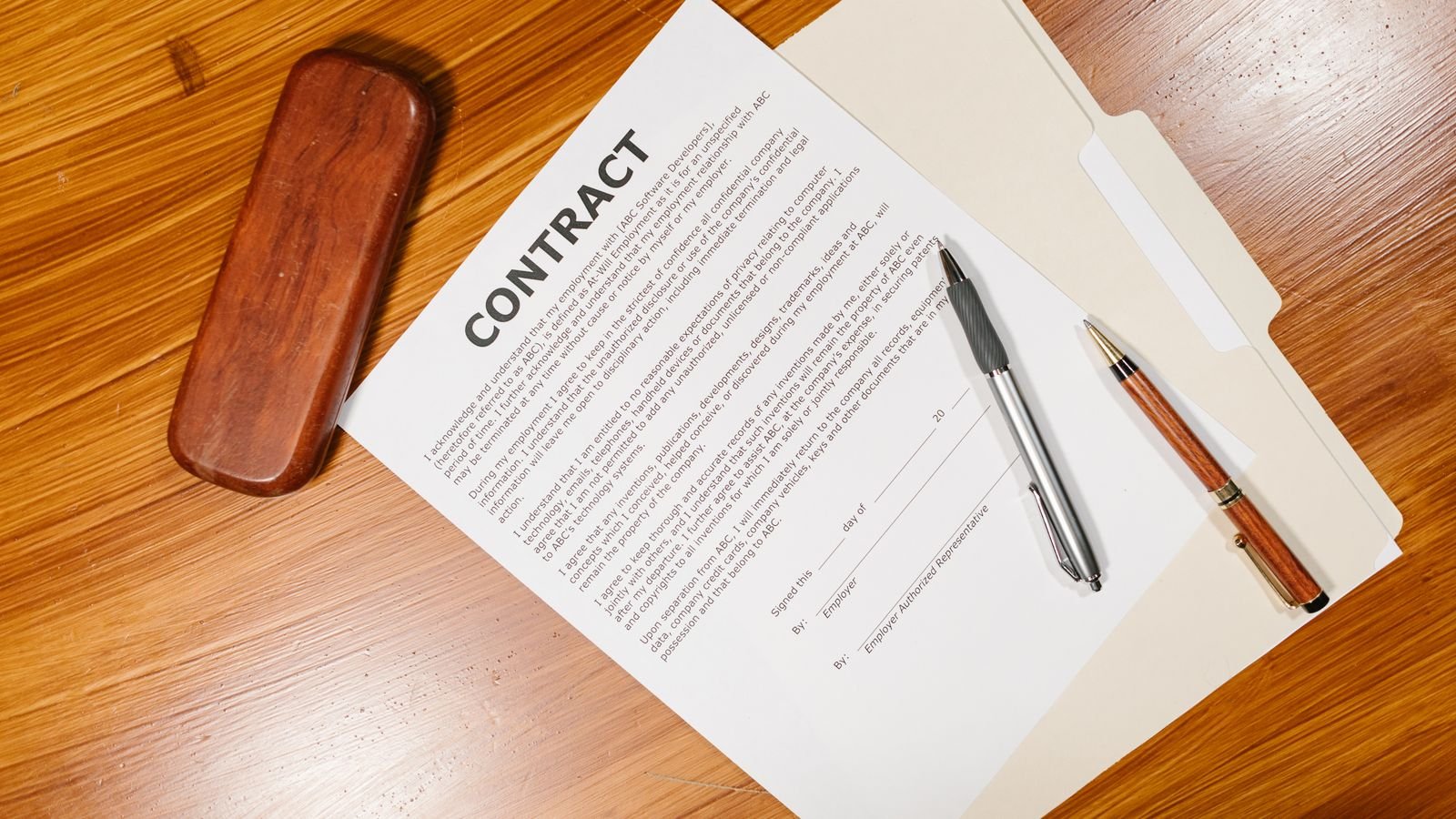
Insurance is the question that gets asked last
Most businesses compare cleaning quotes on price, hours and frequency. Cleaning contractor insurance tends to come up at the end, if at all. That is a mistake, because it decides what happens when something goes wrong. A cleaner slips, a vase is broken or a door is left open overnight, and the first question is who pays.
The good news is that the checks are simple. You do not need to read a policy document. You need to know which two kinds of cover matter, what a certificate should show and what to ask.
This guide is for the owner or manager in Greater Manchester who is about to sign a cleaning contract. It explains the legal requirement, the cover that is expected on top of it and the questions that separate a well run contractor from a risky one.
The two kinds of cover that matter
Two types of insurance come up in almost every cleaning contract. They protect different people.
The first is employers’ liability insurance. It protects the contractor’s own staff. If a cleaner is injured or becomes ill because of the work they do, this cover helps pay compensation. It is a legal requirement for most employers.
The second is public liability insurance. It protects other people, which means you. If the cleaning team damages your property, or a customer or visitor is hurt because of the work, this cover responds. It is not a legal requirement for most businesses, but it is standard in contract cleaning and a sensible client will ask for it.
What the law says about employers’ liability
The rules are set out in the GOV.UK guidance on employers’ liability insurance. It says an employer must get this cover as soon as they become an employer. The cover must be for at least £5 million and must come from an authorised insurer.
Some employers are exempt. The guidance says you do not need the cover if you only employ a family member, or someone based outside England, Scotland and Wales. That does not describe a normal cleaning company with a team on site.
The penalties are real. The guidance says an employer can be fined £2,500 every day they are not properly insured. It also says an employer must display the certificate where employees can access it, for example at the workplace, on a website or on an intranet. It must be shown to inspectors on request. Failing to do so can lead to a fine of £1,000.
For a client, the point is not to enforce the law. It is that a contractor who runs a proper business already has the certificate to hand. Asking to see it is normal and should not cause any awkwardness.
How to read an insurance certificate
A certificate is a one page document. You are checking four things.
- The insurer. GOV.UK says to check that the insurer is authorised, using the Financial Conduct Authority register.
- The amount. For employers’ liability the minimum is £5 million.
- The dates. The cover must be in force now and for the whole of your contract. A certificate that expired last month is no use.
- The business name. It should match the company you are contracting with, not a similar name or a parent company with a different trading name.
It is also worth asking for the public liability certificate, with its limit and dates. Many contractors keep both in a single folder and send them by email within minutes.
What if the cleaners are self employed
Some cleaning firms say every cleaner is self employed. Be careful with that. The legal duty to hold employers’ liability cover starts when someone becomes an employer. Whether a person is an employee or self employed depends on how the work is organised, not on what the contract calls them.
You do not need to settle that question yourself. You do need an answer to a simple one. If one of the people cleaning your premises is hurt, who is insured and who pays? A good contractor can answer in a sentence. A vague answer is a reason to ask more.
What public liability covers in practice
Think about the ordinary things that go wrong. A cleaner knocks a monitor off a desk. A mop bucket leaves a mark on a polished floor. A visitor slips on a damp patch that was not signed. A key is lost and a lock has to be changed.
Not all of these are necessarily covered in the same way. Public liability usually deals with injury to a third party and damage to property. Other items, such as lost keys, may need separate cover or a specific clause. It helps to ask directly rather than assume.
It also helps to think about the cleaning itself. Wet floors are a common cause of slips, which is why careful contractors dry floors, put out signs and time the work around customers. That matters most in places like shops, which is where our retail cleaning teams work.
Sub contractors and specialist work
Some jobs are done by someone other than the main contractor. High level work, window cleaning, carpet extraction and fogging are examples. Ask whether any part of your contract will be sub contracted. If it will, ask whether the sub contractor holds its own cover, and whether you can see it.
The same applies to agency staff. If cleaners are supplied through an agency, it should be clear which business insures them and which business supervises the work.
Check the contract wording
A contract should say that the contractor will keep the required insurance in force for the full term. It should say that they will supply evidence on request and on renewal. It should set out how a claim is reported and who deals with it.
If the contract is silent on insurance, add a line. Something simple works well. The contractor maintains employers’ liability and public liability cover for the term of the agreement and provides current certificates at the start and at each renewal.
What to do if something goes wrong
Even with good cover, a claim goes more smoothly when the facts are clear. Report the problem in writing on the same day, with photographs if there is damage. Say what you saw and when. Do not repair or throw away damaged items until the contractor has had a chance to look.
The contractor should confirm it has received the report, tell its insurer and give you a named contact. A calm and prompt response at this stage tells you more about the company than the policy does.
Why the cheapest quote can hide a gap
Cover costs money, and a contractor who undercuts the market has to find the saving somewhere. Sometimes it is wages or training. Sometimes it is a policy with a low limit, a long list of exclusions or no cover at all. You will not see the difference on the price line.
If the contractor is uninsured and something goes wrong, the claim can fall back on you. It is also worth telling your own insurer about the contract if your policy asks for it. A short call to your broker can confirm whether your building or contents policy has any conditions about outside contractors.
Keep the paperwork and diarise the dates
Insurance is not a one off check. Policies renew each year, and a certificate that was valid in January may have lapsed by December. Keep a copy of each certificate with the contract. Put a reminder in the diary a month before the expiry date, and ask for the new one as soon as it is issued.
The same folder can hold the signed contract, the cleaning specification, the key register and the induction record for each cleaner. When a question comes up, you will have the answer in one place.
Questions to ask before you sign
- Can we see your employers’ liability certificate, and when does it expire?
- Can we see your public liability certificate, and what is the limit?
- Who insures the cleaners who will work on our site?
- Is any work sub contracted, and are those businesses insured?
- Are keys and alarm codes covered if they are lost?
- How do we report damage, and who handles the claim?
- Will you send updated certificates at each renewal?
A contractor who is used to these questions will answer them without a pause. It is a good sign when the answers arrive the same day, in writing.
How we approach it
We tell clients that our teams are vetted, trained and insured, and we are happy to talk through the cover on any contract. If you are comparing us with other firms, ask each of them for the same documents. It makes the comparison fair, and it shows who has them ready.
Our cleaning contractor service starts with a site assessment and a written specification, and your account manager is the person to ask for any document you need.
Getting started
If you are setting up a new commercial cleaning contract in Manchester or reviewing an old one, tell us about the premises and the hours. We will send a proposal, and you can add the insurance questions above to the same conversation.