
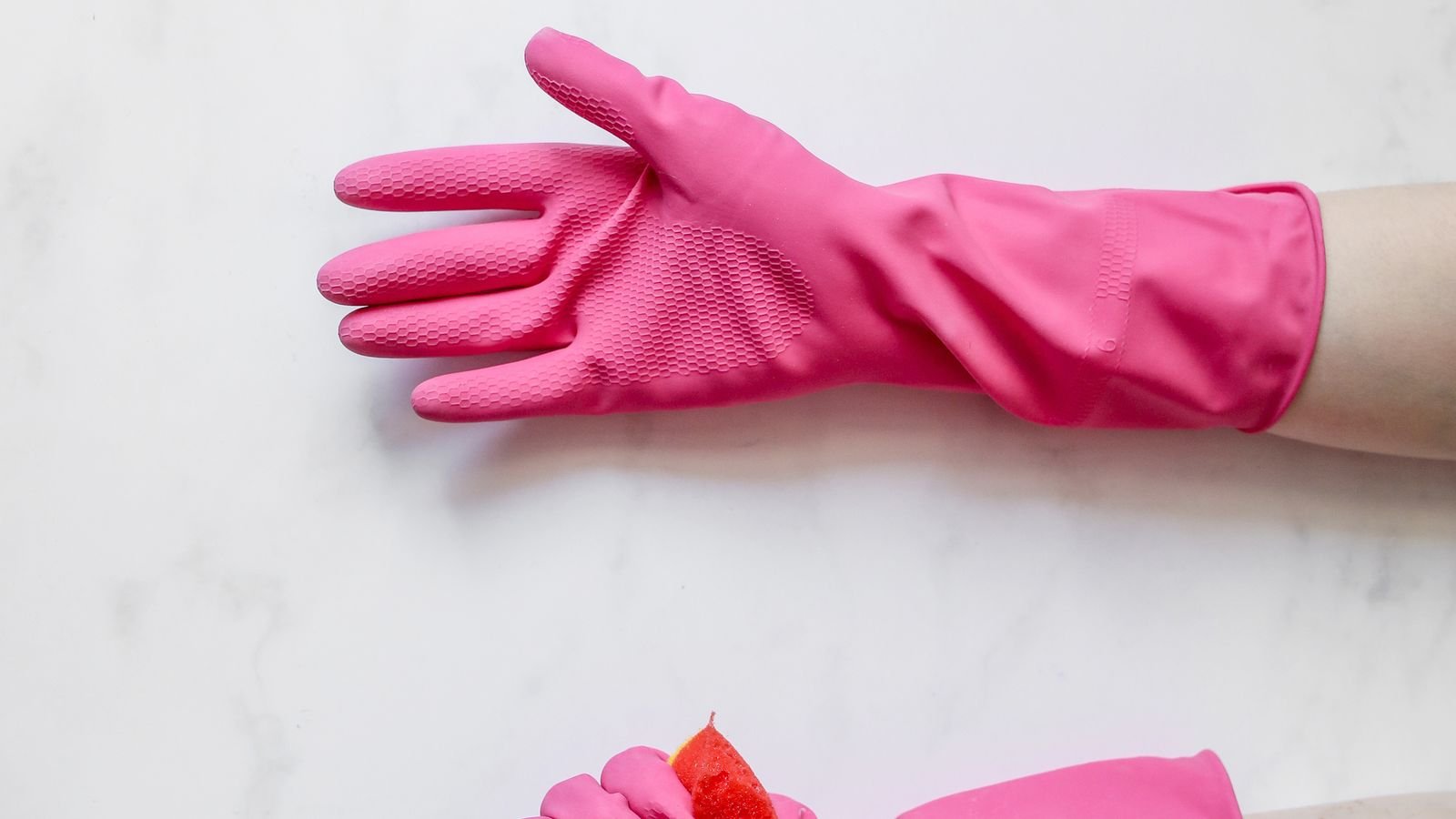
Cleaner hand care matters when choosing a contractor because a cleaning plan should protect the people carrying it out. Dermatitis controls need to address how the work is done, not simply whether gloves appear on a supply list. A busy Manchester premises can help by providing the agreed facilities and allowing the planned method to be followed.
This is a guide to questions for a site visit and contract review. It is not a diagnosis or a treatment plan. Workers with skin concerns should raise them with their employer and seek appropriate clinical advice. The business commissioning cleaning should understand its own role without trying to manage someone else’s medical information.
Understand what the contractor is trying to prevent
The HSE’s advice on work related contact dermatitis identifies skin damage associated with work. It describes redness, itching, swelling and cracking among possible signs. Its prevention advice centres on avoiding exposure where possible, protecting skin and checking for early changes.
The HSE also says employers must assess the risks and provide suitable controls, information, instruction and training where a risk exists. Use that as the starting point for your contractor discussion. Asking whether a method addresses skin exposure is more useful than asking for a reassuring slogan.
Do not judge a cleaner’s health from appearance. You may see someone wearing gloves for reasons unrelated to an existing skin problem. Your role as the customer is to make the agreed working arrangements possible and report site problems through the right contact.
For commercial cleaning in Manchester, include practical welfare arrangements in the site survey. The contractor needs to know where staff can wash and dry their hands, store equipment and replace damaged protective items.
Ask about the method before discussing the gloves
A method statement should explain how the actual task will be completed. Consider a washroom clean, food preparation area or extended floor treatment. Each involves different surfaces, products and handling steps. A generic list of protective equipment does not describe those differences.
Ask which parts of the task require direct product handling. Ask how products are prepared and whether the equipment reduces unnecessary hand contact. The answer should match the product instructions and risk assessment. It should not rely on a worker improvising a dilution or borrowing an unlabelled bottle.
Changing the method may also change the visit duration. If a task includes preparation, changing equipment and clearing away, those stages need time. A quote that allows only the visible wiping stage can create pressure to rush everything surrounding it.
The customer should not substitute products casually. If a cupboard runs out, tell the contractor rather than supplying whatever another team happens to use. A replacement product may require a different method or protective equipment. Keep that decision with the person responsible for reviewing the task.
Make glove arrangements specific to the work
A box labelled cleaning gloves is not enough information for a site brief. Ask the contractor how the glove type is selected for the products and tasks involved. The relevant product information and glove manufacturer’s guidance should inform that decision.
Confirm who provides replacements and where they are kept. A worker should not have to finish a task with a damaged glove because the spare stock is locked away. Equally, your reception team should not be expected to choose a substitute without the contractor’s instructions.
Different staff may need different sizes or arrangements. Treat those needs as part of normal equipment planning. The site manager does not need a worker’s medical history to understand that one shared pair is a poor purchasing specification.
Ask how protective items are checked, stored and replaced. Keep the answer practical. The contract should identify the responsible person and the supply route. It should not promise that any particular glove removes every possible skin risk.
Check the facilities during the actual working hours
A sink shown during a daytime survey may be behind a locked door after the office closes. Walk through the route at the time the cleaning team will use it. Confirm that access arrangements cover the welfare facilities as well as the rooms being cleaned.
Identify where equipment is stored between visits. A cupboard crowded with unrelated building supplies can make a simple task awkward. Agree shelf space and access without placing cleaning items beside open food or personal belongings.
Explain how to report a failed dispenser, blocked sink or missing drying supplies. The contractor needs to know whether the building manager or your own office contact arranges repairs. The issue should not disappear into a cleaning complaint when it concerns the building itself.
For a multi tenant property, confirm whether your cleaning team may use shared staff facilities. Permission from one tenant may not settle the building rules. Resolve that point before the first shift, especially where the cleaner will work alone after reception closes.
Keep product changes visible to the right people
Cleaning cupboards often change gradually. A new dispenser appears, another supplier leaves a bottle, or a colleague buys a product for an urgent spill. Without a clear rule, several different products can become part of the routine without any formal review.
Ask the contractor to identify the products covered by its current task assessment. Agree who can authorise a change. If the customer requests a different finish, scent or cleaning result, allow the contractor to check the proposed method before using a replacement.
When reviewing cleaning contractors in Manchester, ask how instructions are updated for cover staff. The cleaner filling in for one evening needs the current method, not a remembered version from several months earlier.
Keep instructions close enough to the work to be usable. A contractor may hold detailed assessments centrally, while the site needs a short task instruction and contact route. Agree which information stays on site and how an employee obtains further guidance when needed.
Set a respectful route for raising concerns
A worker noticing a skin change needs to know whom to tell within their organisation. The customer should not ask them to explain symptoms in front of office staff. Provide the contractor’s supervisor with a private way to discuss any necessary changes to the visit.
Record operational facts if a site problem contributed to a concern. For example, note when the agreed handwashing area became unavailable or when a product was changed. Avoid speculative medical descriptions in the building’s shared cleaning log.
The employer should decide appropriate follow up for the worker. Your premises may need to support a revised method, different access arrangement or temporary task change. Confirm the resulting service scope in writing so neither side relies on an informal conversation.
Do not turn reporting into a penalty for the individual. A cleaner raising an issue early gives both businesses an opportunity to review the work. Silence caused by fear of losing a shift is not evidence that the arrangements are working well.
Review the contract through a real example
Imagine an office washroom visit followed by kitchen cleaning. Ask the contractor to walk through the sequence from arrival to equipment storage. Where are products prepared? Where does the worker change equipment? What happens if a protective item needs replacing halfway through?
The purpose is to find gaps in the arrangement, not to design the cleaner’s job yourself. If the answer depends on a locked cupboard, unavailable contact or missing supply, resolve that dependency. Then check that the agreed price and visit time allow the method to happen.
A regular office cleaning service benefits from this kind of practical handover. It makes the expected result clearer while giving the contractor a realistic working environment. It also separates problems with site access from problems with cleaning performance.
Review again when the task changes materially. Extra washrooms, a new kitchen or a different product can make an old walkthrough incomplete. Put the review alongside the change in scope, rather than waiting for the next annual contract discussion.
Questions a Manchester customer can ask
Should the customer buy the cleaner’s gloves
Follow the contract’s agreed supply arrangement. If the customer provides them, the specification should come from the contractor’s assessment and relevant product guidance. Buying an unspecified substitute because it is available locally can undermine the agreed method.
Can hand cream replace other controls
Do not treat a skin care product as permission to ignore the work method or required protective equipment. Ask the employer how its full skin protection arrangements work together. Individual product suitability and treatment questions belong with appropriate professional advice.
What should be included in a quote request
Describe the areas, tasks, surfaces and available facilities. Tell Exclusive Pro Cleaning about any products you require or restrictions on storage and access. You do not need to send private health details about staff to obtain an initial cleaning scope.
How do we check this without becoming the supervisor
Check that the agreed facilities and supplies are available, and raise changes through the named contact. Ask the contractor to explain its current arrangements during reviews. Keep responsibility for worker training, task assessment and health concerns with the appropriate employer and advisers.