
A kitchen can look clean and still be anything but. The worktops are wiped every day, the sink is rinsed, the floor is swept. Yet the tops of the wall cupboards carry a sticky film, the fridge door seal is grey at the corners, the extractor filter has not been touched since the day it was fitted and the dishwasher smells faintly of last week. Kitchen cleaning in Manchester homes often stops at the surfaces, and a kitchen deep clean is the job that reaches those places.
This guide explains what a home kitchen deep clean normally includes, what you should empty or prepare beforehand, what is better left alone, and how it differs from the weekly routine. It is written for households in Manchester and the surrounding area, and it gives no prices because the work depends on the kitchen.
Kitchen cleaning in Manchester, what a deep clean is and is not
Regular cleaning keeps surfaces tidy. A deep clean removes the build-up that regular cleaning leaves behind: grease on and around the hob, dust and film on cupboard tops, residue inside appliances, limescale and soap scum on sinks and taps, and grime in the places no one sees. It is slower, more thorough and usually done once or twice a year, or before a major event, a move or a new tenancy.
It is not a repair, a renovation or a specialist treatment. A cleaner can remove grime from grout but cannot repair cracked tiles. A cleaner can clean the inside of a dishwasher but cannot fix one that is blocked. If you spot something that looks like a fault, such as a leaking seal or a damaged fitting, mention it so you can arrange a repair separately.
Exclusive Pro Cleaning’s home deep cleaning page describes deep cleaning as reaching behind furniture, inside appliances and cupboards and across the surfaces that collect dirt over time. A kitchen is usually where that description matters most.
Cupboards, inside and on top
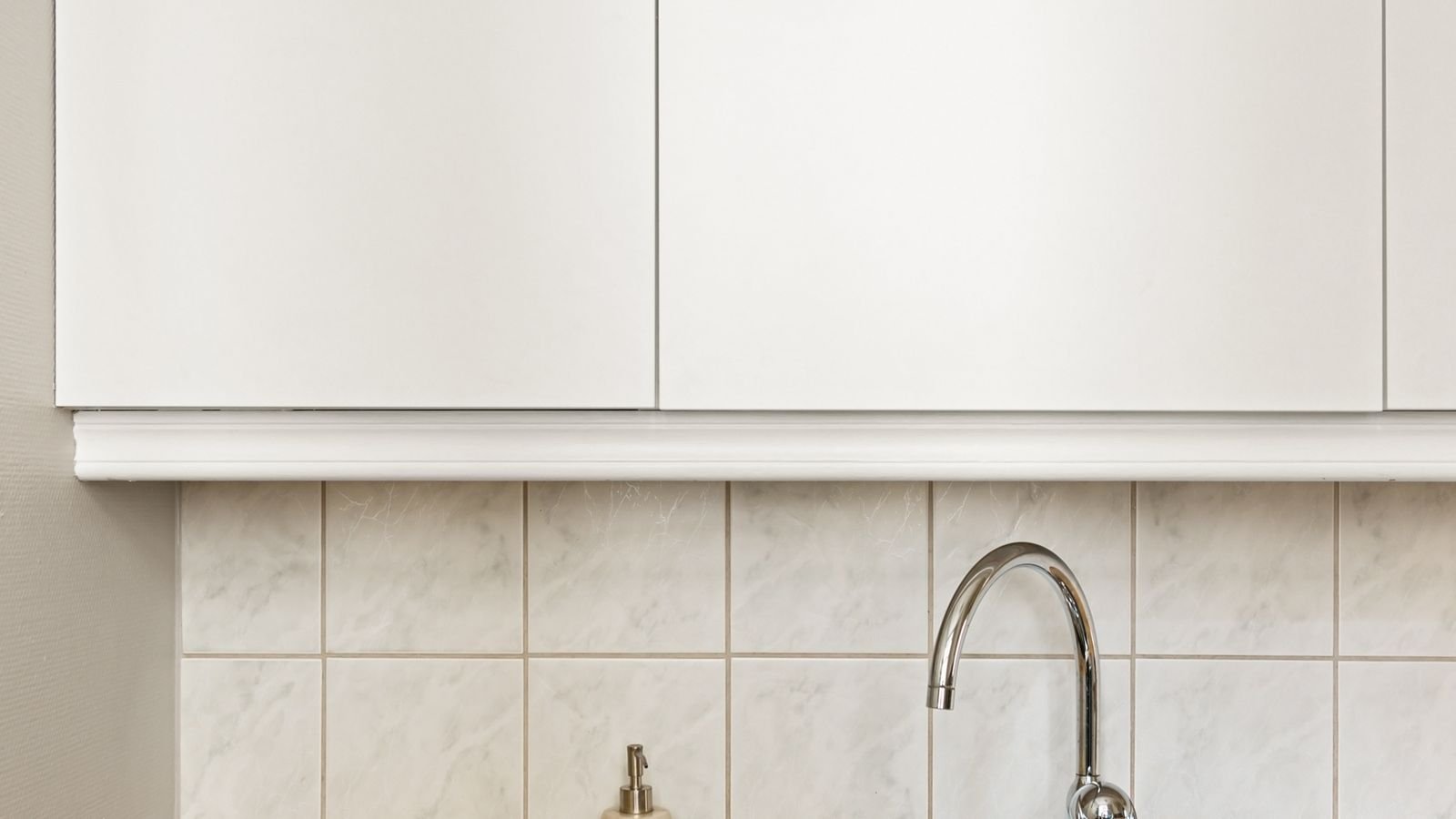
Cupboards are a big part of the job. The inside of a cupboard collects crumbs, spilled sauce and the dust that settles on shelves. The outside, particularly near the hob, collects a thin layer of cooking grease that attracts dust and becomes sticky.
A thorough cupboard clean usually includes:
- Wiping the inside of shelves and drawers, with items removed.
- Cleaning doors, handles and the edges where fingers touch.
- Degreasing the fronts of cupboards above and near the cooker.
- Cleaning the tops of wall cupboards, where dust and grease build up unseen.
- Wiping the plinths and skirting under base units where they can be reached.
What to do beforehand: empty the cupboards that you want cleaned inside. Cleaners normally work around the contents rather than removing them, and nobody wants to be responsible for rearranging your pantry. If you want the inside done properly, clear the shelves in advance or agree who will do it on the day.
The fridge and freezer
Fridge cleaning is the part many households put off. A good clean includes the shelves, drawers, door pockets and rubber seals, and the outside of the appliance. The seal is a common problem because food residue and moisture collect in its folds.
A fridge is also a food safety matter. Love Food Hate Waste publishes guidance on looking after food at home, including a guide to checking your fridge temperature, and it is worth reading it while the fridge is empty and clean. A clean fridge is easier to keep organised, and the thermometer check is much more useful when the door seals shut properly.
Practical points:
- Empty the fridge before the clean, or at least the shelves being cleaned. Keep chilled food in a cool bag or box with ice packs while you work.
- Check dates and discard anything past its use-by date.
- Defrosting a freezer is a separate task that takes hours, so decide in advance whether you want it done. Most cleaners will wipe a freezer but will not defrost one without agreement.
- Switch off appliances only if you are confident about doing so. If in doubt, ask.
Dishwasher and washing machine
Dishwashers and washing machines clean your crockery and clothes, but they also need cleaning themselves. Food particles collect in the dishwasher filter, soap residue builds up around the door seal of a washing machine, and both can develop odours when they are not run at a hot enough setting or left closed.
A deep clean usually covers:
- Cleaning and rinsing the dishwasher filter and the spray arms where they are easy to remove.
- Wiping the dishwasher door, rubber seals and the inside edges.
- Wiping the washing machine drum opening, door seal and detergent drawer.
- Cleaning the outside and the control panel.
Many manufacturers describe maintenance cycles and descaling products in the appliance manual. If you still have the manual, leave it out, because it shows how a filter is removed and refitted. A cleaner who is unsure about a particular model should say so and leave the filter, rather than force it.
The extractor and the hob
The extractor hood and its filter catch a great deal of grease. A metal grease filter can usually be removed and soaked in a hot, degreasing solution. Charcoal filters in recirculating hoods are usually replaced rather than washed, so check which type you have.
A deep clean normally covers:
- The outside and underside of the hood.
- Removable metal filters, if the type allows.
- The hob surface, burners, pan supports and the gap around them.
- The wall behind the hob and the splashback.
Oven cleaning is often a separate task. If the oven is part of the job, it helps to say so when you book, and Exclusive Pro Cleaning’s oven cleaning page explains the service. Our guide to preparing ovens before Christmas goes into that in detail.
Behind and under appliances
The spaces behind a cooker or under a fridge hold dust, crumbs and sometimes lost objects. Cleaners reach them where it is safe. For freestanding appliances that means pulling them forward gently and cleaning the floor and wall behind. For built-in appliances it usually means cleaning what can be reached without removing the unit.
Safety points matter here. Gas cookers, in particular, are connected by a hose and fittings, and a cleaner should not disconnect or strain them. If an appliance is heavy or fixed, it is perfectly reasonable to agree that it stays where it is. Floors are marked easily by dragging, so ask whether protective sliders or mats are used.
Tiles, grout and the sink area
Grout collects grease and soap scum and darkens over time. A deep clean typically involves scrubbing tile joints near the hob and sink, cleaning the splashback and removing limescale from taps and the sink. The result depends on the age and state of the grout. Heavily stained or damaged grout may not return to its original colour, and a good cleaner will tell you that honestly rather than promise a miracle.
Check the surfaces before you start. Natural stone worktops and some tiles can be harmed by acidic descalers, and a cleaner should use a product suitable for the material. If you know your worktop is stone, tell them.
What to do before the cleaners arrive
A little preparation saves time and improves the result.
- Clear the worktops of small appliances, utensils and papers.
- Empty the cupboards or shelves you want cleaned inside.
- Empty the fridge and check food dates, or agree that the cleaner will work around the contents.
- Remove anything fragile or valuable that could be knocked.
- Tell the team about pets, allergies, delicate surfaces and any appliance quirks.
- Make sure there is access to the electricity and water supply in case something needs switching off.
It is also worth taking a few photographs of the kitchen before you start, which can help with later discussions about condition.
How a deep clean differs from the weekly clean
A weekly or fortnightly clean looks after the daily surfaces: worktops, hob, sink, floor, bins. A deep clean works through the items on the list above. Many households book a deep clean first and then move onto regular visits, so the regular clean can maintain a baseline instead of fighting build-up. The one-time cleaning page describes the approach for households that want a single thorough visit without an ongoing commitment.
Questions about kitchen deep cleaning
How long does a kitchen deep clean take?
It depends on the size of the kitchen and its condition. A heavily used family kitchen takes much longer than a lightly used flat kitchen, so ask for an estimate after describing the room.
Do I need to empty the cupboards?
If you want the insides cleaned, yes, at least the shelves in question. Otherwise the cleaner will wipe the outsides and the tops.
Is the oven included?
Not always. It is often a separate task, so check when you book.
Will a deep clean remove all grease?
Light and moderate grease usually comes off. Older, baked-on grease may need several passes or a specialist treatment, and results depend on the surface.
If you would like a kitchen deep clean in Manchester, describe the room, the appliances and the surfaces when you ask for a quote, and agree what is included in writing before the visit.