
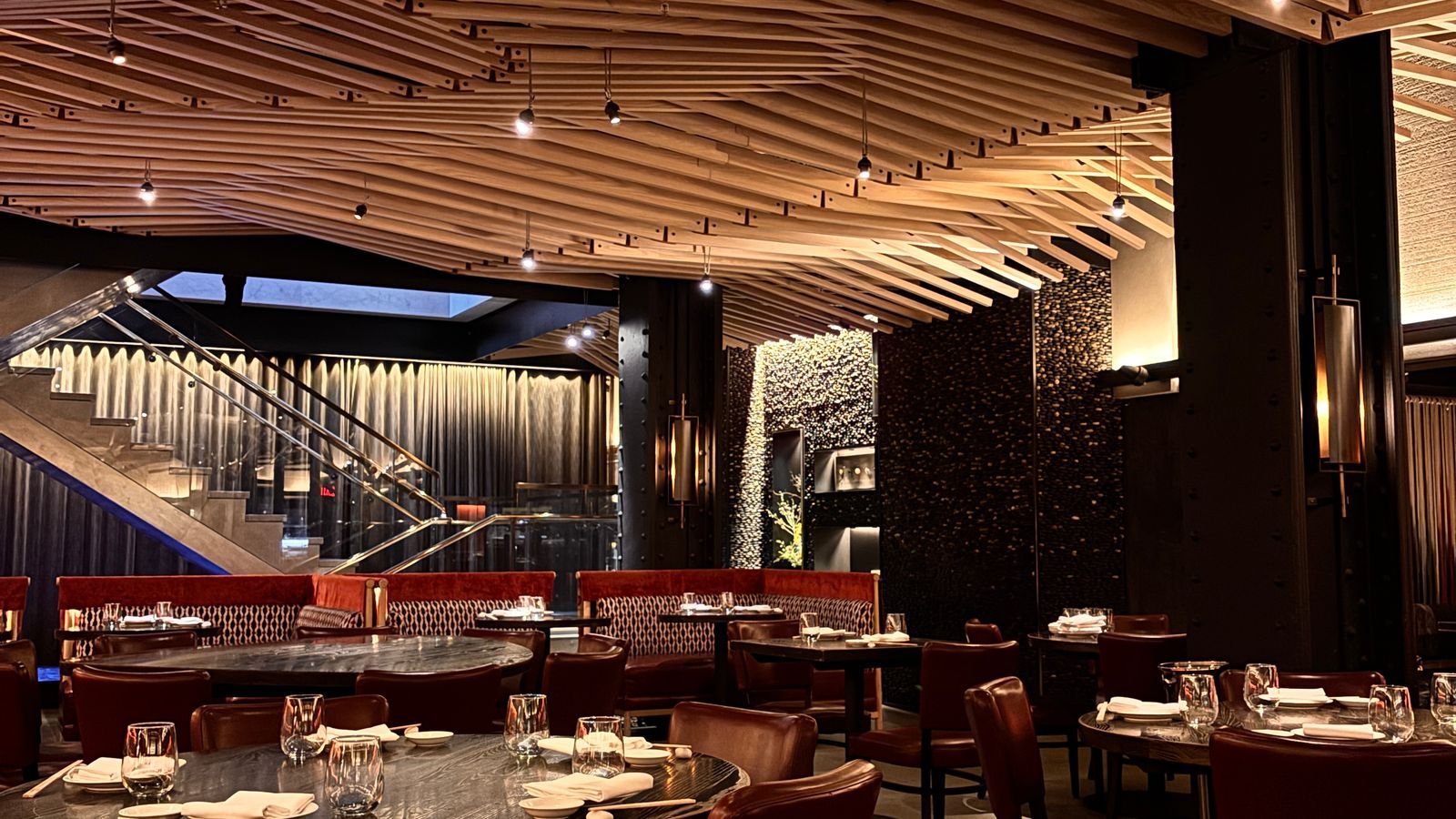
The shopfitters have gone, the kitchen equipment is in and the opening date is fixed. It can look as though the premises are ready. They are not. A newly built or refitted restaurant is usually dirtier than a working one, just in a different way. Fine plaster and wood dust sits in every corner, protective film still clings to the steel, the floors carry grout haze and adhesive marks, and the extraction system and drains have been through a building site. A professional restaurant cleaning service that understands this stage can turn the shell into a working kitchen, and the clean needs to be planned in the right order so that it does not get undone by the next delivery.
This guide walks through that clean from the kitchen to the front of house, explains how it is sequenced with deliveries and staff training, and describes what an owner should check before service begins.
Why a new restaurant needs its own kind of clean
An ordinary restaurant clean deals with food, grease and daily use. A first clean deals with the leftovers of construction. Dust from cutting, sanding and chasing walls travels everywhere, including inside cupboards, behind equipment, on top of ducting and along shelving. Paint splashes, silicone smears, plaster residue and cement film cling to tiles and glass. None of this is food waste, but all of it ends up near food if it is not removed.
Cleaning too early is a frequent mistake. If the builders are still on site, anything cleaned will be dirtied again. If the cleaners arrive after stock has been delivered, shelves and cold rooms are already in use and cannot be cleaned freely. The timing is a large part of the skill.
The right moment for a professional restaurant cleaning service
Most owners get the best result by splitting the work in two. A builders’ clean comes first, once the major building work is complete. This removes the bulk of dust and debris so that the equipment installers, electricians and signwriters can finish in a cleaner space. A final deep clean follows, once the last trades have left and before stock arrives. It is detailed, thorough and timed close to opening.
Between these, leave a small buffer for snagging. Painters often return for touch-ups, and engineers return to commission equipment. A cleaning team can be booked for a short top-up visit if needed. For the wider approach to this stage, our post renovation cleaning service describes how builders’ dust and debris are handled in homes, and the same principles apply to a commercial fit-out.
Starting in the kitchen
The kitchen is the priority, because it must be clean enough for food to be prepared safely. A first clean here usually covers the following.
Surfaces and equipment
New stainless steel often carries a protective plastic film, and labels and sticky residue from the factory. The film is peeled off by the installers or the cleaners, and the residue is removed with a suitable product. Steel is then wiped, polished with the grain and checked for smears. Benches, shelving, sinks and splashbacks are cleaned inside and out, including the undersides of shelves and the backs of cupboards where dust collects.
Large appliances such as ovens, fryers, griddles, fridges and dishwashers need cleaning inside and outside before first use. Packing materials, polystyrene and tape are removed. Manufacturer instructions come first, because some surfaces need specific products.
Extraction and ceilings
Builders’ dust gathers on and inside extraction canopies, filters and the surrounding surfaces. The visible surfaces and removable filters can be cleaned as part of the general clean. Duct systems are a specialist job and should be signed off by the installer or a ductwork specialist, not treated as routine cleaning. Walls, ceilings and light fittings are wiped down at height, with safe access.
Floors and drains
Kitchen floors may carry grout haze, adhesive, cement film or paint. These need the right product for the floor type, applied carefully and rinsed well, because a wrong product can damage grout or leave a slippery film. Floor drains, gullies and channels are cleared of debris and flushed. If a drain has taken a lot of building waste, call a drainage specialist rather than hoping it will clear itself.
Cold rooms and storage
Fridges, freezers and cold rooms should be cleaned before any stock enters. Wipe shelving, door seals, floors and the inside of fans where accessible. Check that they have reached the right temperature before loading. Dry stores need dusting and wiping too, because dust that settles on packaging ends up in the kitchen.
Moving to front of house
Once the kitchen is under control, the dining room and bar need the same level of attention. A good finish here is what customers see first.
- Glass and mirrors, including shopfront windows, are cleaned inside and out, and sticker or label marks are removed.
- Seating, tables and banquettes are wiped down. Upholstery is vacuumed to remove dust, and any marks from handling are treated carefully.
- Floors are cleaned according to their type. Tile, timber, vinyl and carpet each have their own method. New carpets are vacuumed, and any adhesive marks are treated.
- Bar areas, shelving, refrigerated display units and glass-washing equipment are cleaned and polished.
- Toilets are cleaned thoroughly, with fixtures polished and floors treated for any grout haze.
- Entrances, doors and handles are cleaned and checked for fingerprints and dust.
For a venue that opens to the public, first impressions count. Light fittings, skirting boards and the tops of door frames are easy to miss and easy to notice.
Sequencing with deliveries and training
A new restaurant has a long list of last-minute tasks. A short plan keeps cleaning from clashing with them.
- Agree a cleaning date with the project manager, and make sure other trades know to finish first.
- Time the final clean so that it ends one or two days before stock arrives, leaving time for the surfaces to dry and the air to settle.
- Arrange deliveries after the clean and after cold rooms are at temperature.
- Hold staff training and food safety briefings after the clean, so that the team works in a clean environment from day one.
- Keep a clean zone. Ask workers to wear clean footwear or covers and to use a set entrance once the final clean is complete.
- Leave a few hours for last checks and any touch-up before opening day.
Exclusive Pro Cleaning’s restaurant cleaning page covers kitchen deep cleaning, grease removal and front of house presentation, and the deep cleaning page explains the wider approach to a thorough clean. A first-time owner will find both useful when writing a scope for the opening clean.
Common first-clean mistakes
A few errors come up again and again. Owners book the clean for the day before opening and then discover that a late equipment fault means another visit from the engineers, with fresh dust. Delivery drivers walk through a freshly cleaned kitchen in site boots. A team uses a strong product on a new floor before checking the manufacturer’s advice, and leaves a film that is hard to remove. Keys, access codes and the alarm are not arranged, so the cleaners cannot get in at the agreed time. The simplest protection is a written scope and a named person on site who can answer questions on the day.
What the owner should check
Before service begins, walk the premises with the cleaning team and the head chef. Use a short list.
- Wipe a white cloth along shelves, the tops of equipment and door frames and see whether it comes away clean.
- Check the inside of ovens, fridges and the dishwasher for packing material or residue.
- Look at the floors in different light for haze, streaks and marks.
- Open drawers and cupboards and look inside.
- Smell the premises. Chemical or paint odours should fade, and any musty smell needs attention.
- Check glass from inside and outside and in the evening light, when streaks show.
- Make a note of anything that needs a second visit and agree a time for it.
If your local authority inspects food businesses, a clean, tidy and organised kitchen helps the first conversation. Keep a record of the clean, including the date, what was done and the products used.
Keeping it clean after opening
The first clean sets the standard, but it only lasts if the routine takes over. Agree a daily closing routine for the kitchen team and a periodic schedule for the specialist work. Trade publications such as Restaurant Online report on the hospitality industry and give a sense of how many openings there are and how quickly standards are compared. A clean start is a sensible foundation, and it is easier to maintain than it is to recover. To plan the clean around the opening date, contact Exclusive Pro Cleaning with the dates for the fit-out and the first delivery.
Questions about the pre-opening clean
Should the builders’ clean happen before or after the equipment is installed?
Both stages help. A first clean after the major building work clears dust, and a final clean after installation prepares the kitchen for food.
How long before opening should the final clean be done?
Close enough to opening that the premises stay clean, but early enough to leave time for drying, deliveries and a last check. Agree the exact date with the project manager.
Can cleaners handle the extraction ductwork?
Visible surfaces and removable filters, yes. The internal ductwork is a specialist job and should be signed off separately.
Do new stainless steel surfaces need special treatment?
They need the protective film removed and any adhesive residue cleaned with a suitable product. Always follow the manufacturer’s instructions.