
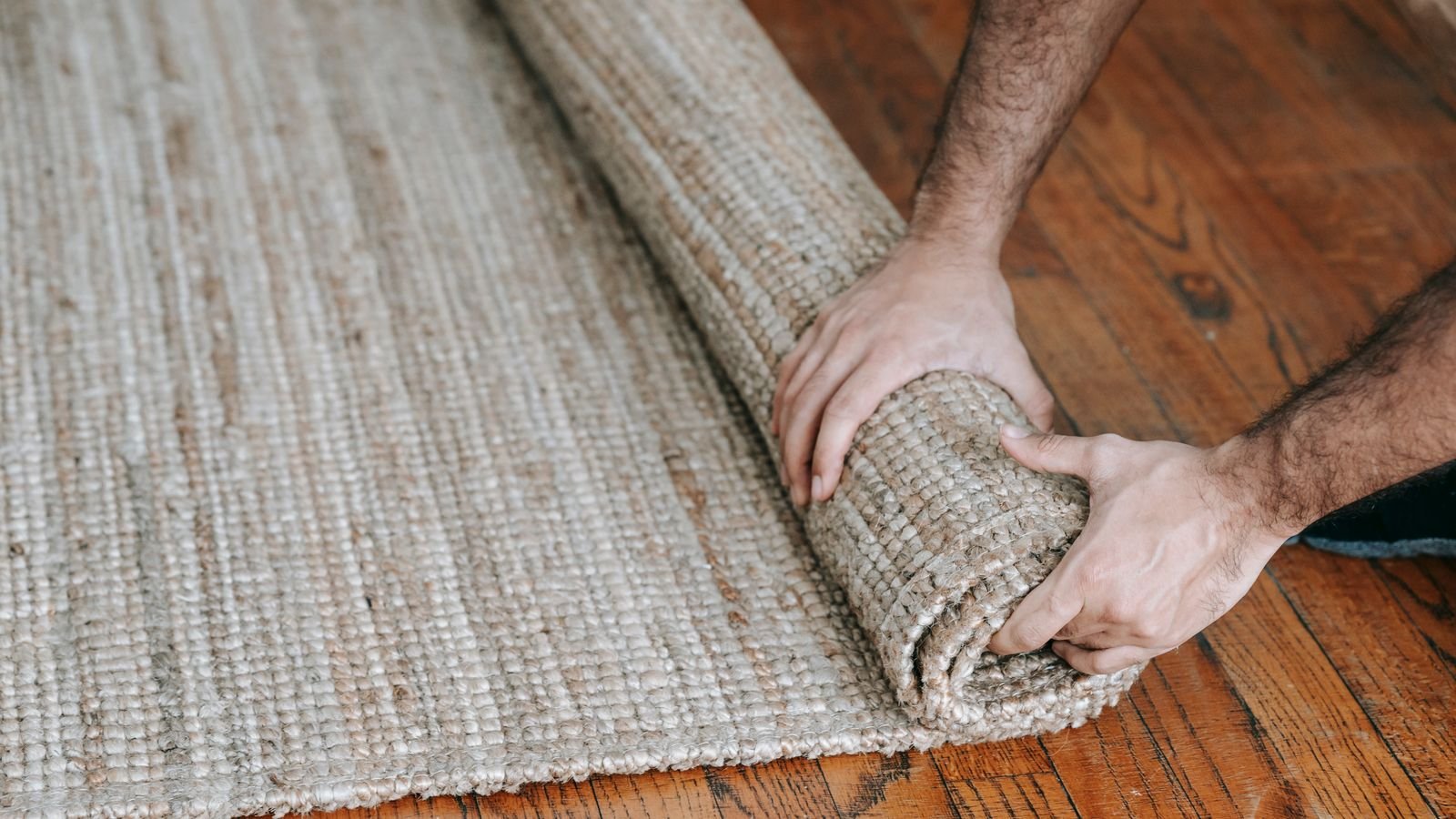
Natural fibre flooring has a loyal following. Sisal, seagrass, jute and coir bring texture and a calm, earthy look to hallways, stairs, living rooms and conservatories, and they wear well when they are looked after. The trouble starts when something is spilled. These coverings are made from plant fibres, and plant fibres do not behave like wool or nylon when they get wet. People who search for rug cleaners in Manchester with a sisal runner or a jute rug in the house often find that the usual advice does not apply, and that the usual carpet cleaner is the last thing they should reach for.
This guide explains why natural fibres react to water, how they are cleaned properly, what you can do about a spill before help arrives and when a specialist rug cleaner is the better choice. Wool and other delicate rugs behave differently again, and we cover them in how to clean wool and delicate rugs without ruining them.
Why plant fibres and water do not mix
Wool, nylon and polyester are made to take a certain amount of moisture and dry back to their original shape. Sisal, jute and seagrass are different. They are absorbent, and when they take on water they can swell, then shrink as they dry. That movement can pull a fitted carpet away from its edges, make a rug cockle or leave it slightly smaller than it was.
Colour is the next problem. Sisal and jute contain natural compounds that can rise to the surface when wet and leave a brown watermark, often in a ring where the damp patch dried. Once that ring has formed it is hard to remove, and rubbing at it usually makes it larger. Seagrass behaves a little differently, because its fibres have a waxy, naturally water-resistant surface, but even seagrass can mark, and the backing underneath is still vulnerable.
There is also the backing to think about. Many natural fibre carpets sit on a latex or jute backing, and rugs often have a woven backing that holds moisture for a long time. If the underside stays damp, mould and a musty smell can follow. The surface may feel dry long before the base has dried.
Why a wet carpet cleaner is the wrong tool
A standard hot water extraction machine, the sort that many households hire from a supermarket, puts a lot of water into a carpet and then sucks most of it back. That works on a synthetic or wool carpet. On sisal or jute it risks exactly the problems above: browning, shrinkage, a damp backing and a long, slow drying time.
Steam cleaners and shampoo machines are no better. Wet shampoo can leave a residue that attracts dirt, and the foam adds moisture. If a rug or carpet label says dry clean only, or if the retailer’s care guide says to avoid water, take that at face value. The manufacturer knows how the fibre was treated and what it will tolerate.
How natural fibre flooring is cleaned properly
A careful cleaner works with as little moisture as possible. The main methods are these.
Regular vacuuming
This is the key care routine and it costs nothing. Grit works its way into the weave and wears the fibres from the inside, so vacuum often, using suction and avoiding a beater bar that is set too aggressively. A brush head or a gentle setting protects the surface. On a loop-pile weave, take care not to snag the loops.
Dry cleaning methods
Specialists use dry compounds that are worked into the fibres, left for a short time to absorb soiling and then vacuumed away. Because there is little or no water involved, there is far less risk of browning or shrinkage. The method is slower than wet extraction and needs good vacuuming afterwards, but it suits sisal and jute well. Ask whether the cleaner uses a dry compound or a low-moisture system, and what they do about the final vacuum.
Careful spot cleaning
For a small mark, a specialist will blot, not rub, and use a minimal amount of a suitable product on a cloth, not poured on the fibres. They test an out-of-sight corner first, work from the outside of the mark inwards and avoid soaking. After the spot is treated, it is blotted dry and left to air with good ventilation.
Professional rug cleaning
A natural fibre rug can sometimes be taken away for specialist treatment. This is useful for a heavily soiled rug or one with a bound edge or cotton border that may react differently from the centre. Exclusive Pro Cleaning describes its rug cleaning service on its website, and you can use the page to see which types of rug it covers before booking. The wider carpet cleaning section explains the other methods it uses, and it is a useful read if you also have wool or synthetic flooring in the home.
What to do when something is spilled
Speed matters, and so does restraint. The aim is to lift as much of the spill as you can without adding water.
- Blot straight away with a clean, dry white cloth or kitchen paper. Press down, lift and repeat with a fresh area of cloth.
- For a solid or sticky spill, lift off the excess with a spoon or a blunt knife before blotting.
- Do not rub. Rubbing pushes the stain into the fibres and spreads it.
- Do not pour water on the mark to dilute it. On sisal and jute, water is the cause of the ring.
- If a liquid has soaked in, press a thick pad of dry cloth onto the spot and weigh it down for a while to draw moisture upwards.
- Once most of the liquid is removed, let the area dry naturally with a window open. Avoid direct heat, which can shrink the fibre.
Salt, baking soda and similar household remedies are often suggested online. They are worth treating with caution, because they can leave a residue in the weave or lighten the fibre unevenly. If the mark matters to you, call a specialist after the first blot and describe what was spilled. The stain removal page gives a general idea of how stains are approached, although natural fibres always call for extra care.
Choosing the right covering for the room
Some of the problems come from the room as much as the carpet. Natural fibre flooring is happiest in dry, lived-in spaces such as bedrooms, living rooms and hallways. Bathrooms, kitchens and conservatories with damp air are more of a risk, because humidity alone can be enough to swell the fibres. If you are choosing a new covering and cleaning matters, seagrass is generally more forgiving than sisal when it comes to marks, though it is harder to dye and can have a more varied look. Coir is tough and often used for mats. Jute is soft and appealing but the least resistant to wear and water.
A flooring retailer such as Alternative Flooring sells natural fibre carpets and rugs and publishes its own guidance on the materials. Retailers and manufacturers are a good place to check before you buy, because the care instructions differ between products, and a treated or stain-resistant finish changes how a covering should be cleaned.
Everyday habits that help
A few simple habits protect natural fibre flooring.
- Use doormats at entrances, so that less grit and wet footwear reaches the floor.
- Take shoes off in the hall, especially on stairs, where wear shows first.
- Keep drinks and plant pots away from the flooring or on trays.
- Move rugs occasionally so they wear evenly and are not faded by the sun in one place.
- Make sure rugs have good ventilation underneath, and lift them from time to time to check the floor beneath is dry.
- Use a suitable underlay or non-slip pad that does not trap moisture.
When to call rug cleaners in Manchester
Call a specialist when a stain has set into a ring, when a spill has soaked deep, when the rug smells damp or when the covering is a large fitted area that you cannot easily move. Tell them what the covering is made from, how old it is and what has happened to it. If the label is missing, a cleaner can often identify the fibre by touch and by looking at the weave. Be honest about what you have already tried, because an earlier treatment can affect what comes next.
It is also fair to ask a cleaner whether the job is worth doing. Some marks on sisal and jute can be reduced but not removed, and an honest cleaner will tell you so before they start. To ask about a particular rug or covering, contact Exclusive Pro Cleaning with the fibre and a photograph.
Questions about cleaning natural fibre rugs
Can I use a steam cleaner on sisal?
It is not recommended. Steam adds moisture and heat, which can cause browning and shrinkage. Dry or low-moisture methods are safer.
Why did my jute rug get a brown ring after a spill?
Natural compounds in the fibre can rise to the surface as it dries, leaving a ring at the edge of the damp patch. Blotting quickly and avoiding extra water helps.
Is seagrass easier to clean than sisal?
Often, yes, because seagrass fibres have a naturally water-resistant surface. It still needs gentle treatment, and the backing can still hold moisture.
How often should natural fibre flooring be professionally cleaned?
It depends on traffic and soiling. Regular vacuuming matters most, and a professional dry clean is usually needed only occasionally.