
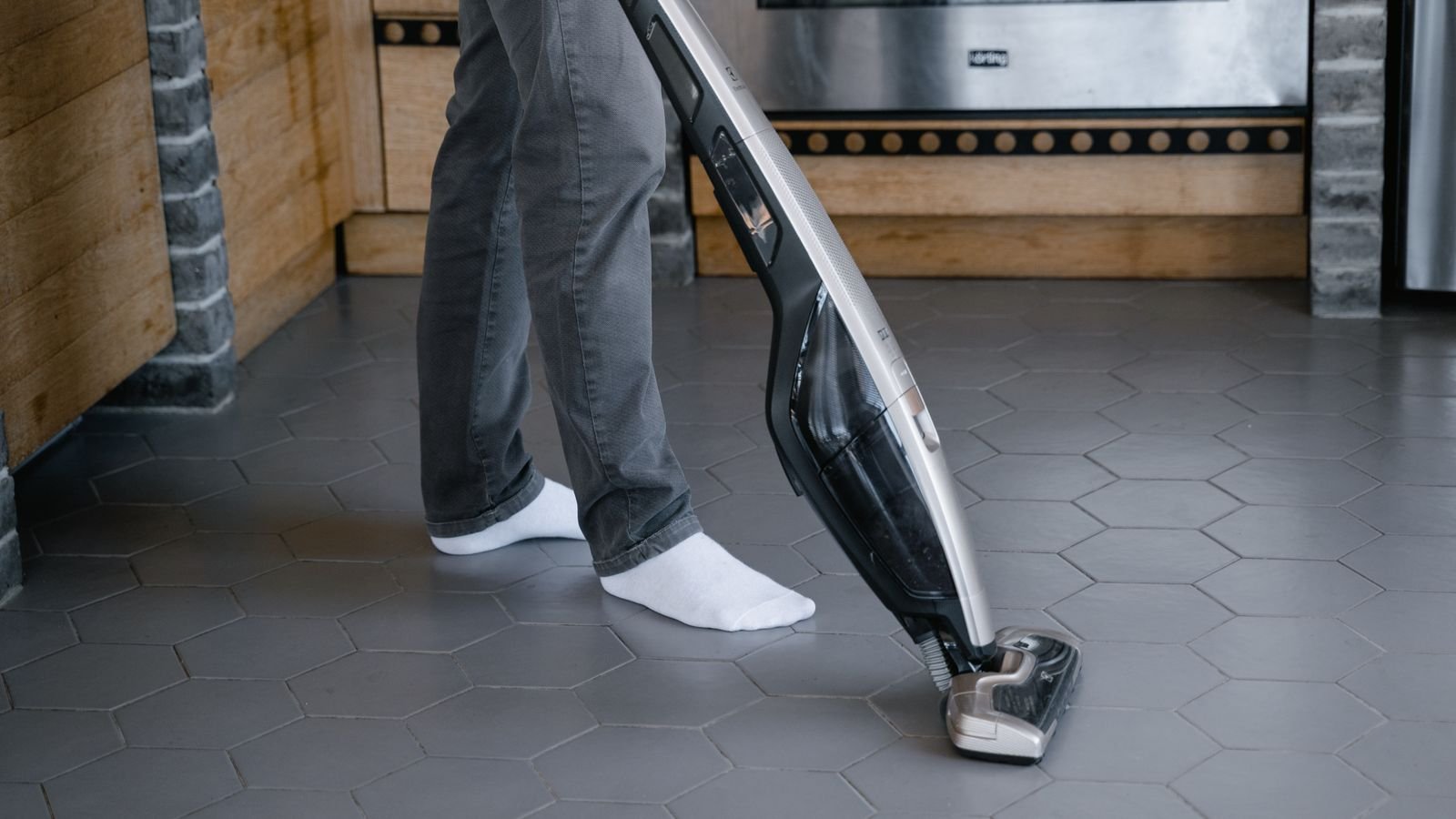
Most businesses buy floor care one visit at a time. A floor looks tired, someone books a clean, it looks better for a few weeks and the cycle repeats. A floor maintenance contract works the other way round. It treats the floor as an asset with a life, plans the care it needs across the year and spreads the cost. The result is usually a floor that looks consistent instead of one that swings between very good and poor, and fewer expensive repairs. This guide explains how commercial floor maintenance services are structured, what each layer of work involves, how often each is scheduled and what a contract should list.
Why a programme beats one-off visits
Floors fail gradually. Grit scratches the surface, the finish wears away, soil works into grout and carpet fibres, and small marks become permanent. By the time the damage is obvious, the cheap fixes are gone. A programme catches problems while they are still easy to treat. It also means that nobody has to decide each time whether a floor is bad enough to justify a call.
A programme brings three practical benefits. The budget is predictable, because the work is planned. The standard is steadier, because the floor is cared for before it looks bad. And the floor lasts longer, which is the largest saving of all, because replacing a floor costs far more than looking after one.
The three layers of floor care
Most contracts describe floor care as three layers. Each does a different job and runs at a different frequency.
Daily cleaning
This is the routine that keeps the floor tidy and stops soil building up. On hard floors it usually means sweeping or dust mopping, followed by damp mopping or machine scrubbing in busy areas. On carpet it means vacuuming, with spot treatment for marks. It also includes entrance matting, which traps grit before it travels further in. Daily cleaning is often part of the general cleaning contract and is carried out by the regular team.
Periodic work
Periodic work is scheduled at intervals, such as weekly, monthly or quarterly. It goes beyond the daily clean and tackles the soil that routine work leaves behind. Examples include:
- Machine scrubbing of hard floors with a scrubber-dryer, which cleans and lifts the water in one pass.
- Buffing or burnishing of polished or sealed floors, where the finish allows.
- Deep carpet cleaning by extraction or low-moisture methods.
- Cleaning of grout lines and edges that machines do not reach.
- Cleaning skirting boards, door bases and corners.
Periodic work is where a specialist team and specialist machines earn their place. It is also where most of the visible improvement comes from.
Restorative work
Restorative work is the occasional, bigger job that brings a floor back from wear. Examples include:
- Stripping and resealing vinyl or similar floors, to remove a worn and discoloured finish and apply a fresh one.
- Deep extraction of heavily soiled carpet.
- Re-grouting or sealing tile and stone, where grout has failed.
- Re-coating or recoating of certain sealed floors, as the manufacturer advises.
- Spot repairs to carpet, tile or edging, where a trade is needed.
Restorative work is planned for the quietest times, because it takes areas out of use for a period. It is done less often, but a good programme anticipates it, so that it is a planned cost, not an emergency.
How often should each layer happen
No single schedule fits every site. The right frequency depends on three things.
Footfall
A busy shop entrance takes more wear in a week than a back office does in a year. High-traffic areas need more frequent periodic work, and quiet areas can be cared for less often. Measure footfall roughly by the number of people who walk through each day, and by whether they bring in wet footwear.
Floor type
Carpet, vinyl, tile, stone, timber and sealed concrete all have different needs. A programme should list each floor type and describe the care for it. Do not apply the same plan to everything, because a method that suits one floor can damage another.
Use and risk
A kitchen floor needs more attention than a boardroom floor. A floor near a door in winter needs more attention than the same floor in July. Areas where spills are common, such as food courts, or where cleanliness is part of the business, such as clinics and showrooms, justify a stricter schedule.
As a starting point, many businesses agree a monthly or quarterly periodic clean for hard floors and a quarterly or half-yearly deep clean for carpet, then adjust after a few cycles. Restorative work is often planned annually or less often, and brought forward if the floor shows signs of wear. Treat these as a conversation starter, not a rule, and ask a provider to explain their reasoning.
What the schedule in a contract should list
A floor maintenance schedule is more useful when it is specific. It should name each area and floor type and then list the tasks, methods and frequencies. A table works well. For each line, include the following.
- The area, such as entrance, shop floor, corridor, kitchen, toilets, offices.
- The floor type, such as carpet tile, sheet vinyl, ceramic tile, sealed timber.
- The task, such as vacuum daily, machine scrub monthly, extract quarterly, strip and reseal annually.
- The method and equipment, such as scrubber-dryer or low-moisture system.
- The timing, such as evenings or weekends, and how long the area is out of use.
- Who does the work, whether the routine team or a specialist crew.
- How it is checked and recorded.
Add a section for exceptions, such as events, building work and seasonal peaks. Mention who pays for restorative work and how it is approved, because that is where misunderstandings begin.
How the work is checked
A schedule only works if someone looks at the results. Good arrangements include the following.
- A visit report from each periodic task, saying what was done and noting any problems.
- A walk-round with the site manager after major work.
- Before and after photos of key areas, kept with the records.
- A simple condition record of the floor, so wear can be tracked over time.
- A review meeting every few months to adjust the plan.
Keep the checks proportionate. A small shop does not need a formal audit, but it does need a note of when the work was done and what was found.
Equipment and supplies
Floor maintenance relies on suitable machines and products. A provider that offers a floor maintenance programme should bring the right equipment for periodic and restorative work. Manufacturers such as Truvox describe themselves as makers of commercial and industrial floorcare machines, and their range gives a sense of the specialist equipment involved, from scrubber-dryers to rotary machines. A contractor does not need to use any particular brand, but you should expect the machines to be suited to the floor and in good repair.
Combining floor care with the wider cleaning contract
Floor care often sits alongside general cleaning. Some businesses use the same provider for both, which keeps the paperwork simple and ensures the daily team and the specialist crew know about each other’s work. Others use a specialist for periodic and restorative work and a separate team for daily cleaning. Either way, the two need to be coordinated, so that the daily team does not undo periodic work by using the wrong product or mop.
Exclusive Pro Cleaning describes its floor cleaning service on its website, and the cleaning contractors page explains how longer-term arrangements are set up. The commercial cleaning overview shows how floor work fits with the rest of the services.
Starting a programme from scratch
If you have never had a plan, begin with a survey. Walk the premises with a provider, note each floor type, and photograph areas that already show wear. Agree which layer matters most first. For many businesses it is the periodic layer, because the daily clean is already happening and the restorative work can wait until the survey shows what is needed. Set a start date for the first periodic visit, and book the next three or four in advance, so the programme runs on a calendar and not on memory. After the first quarter, compare the floor with the photographs and decide whether the frequencies are right. A programme is a working document, and the first version is rarely the final one.
Budgeting for a programme
A programme is easier to budget than a series of one-off bills. Split the year into the daily cost, the periodic cost and a restorative allowance. Ask each provider to price the three layers separately, so that you can see where the money goes. If the quote is a single figure, ask what it includes. Compare quotes on the same specification, because a cheaper quote that leaves out the restorative layer may cost more in the end.
Questions about floor maintenance contracts
Is a floor maintenance contract worth it for a small business?
It can be, particularly if the floor is a visible part of the business, such as a shop or a reception. Even a simple schedule of periodic work can extend the life of the floor.
What is the difference between periodic and restorative work?
Periodic work keeps the floor clean at regular intervals. Restorative work repairs wear and is done occasionally, such as stripping and resealing.
How do I know if the work was done?
Ask for a visit report after each periodic task, and walk the area with the provider after major work.
Can the schedule be changed?
Yes. Review it every few months and adjust the frequency to match how the floor is wearing.