
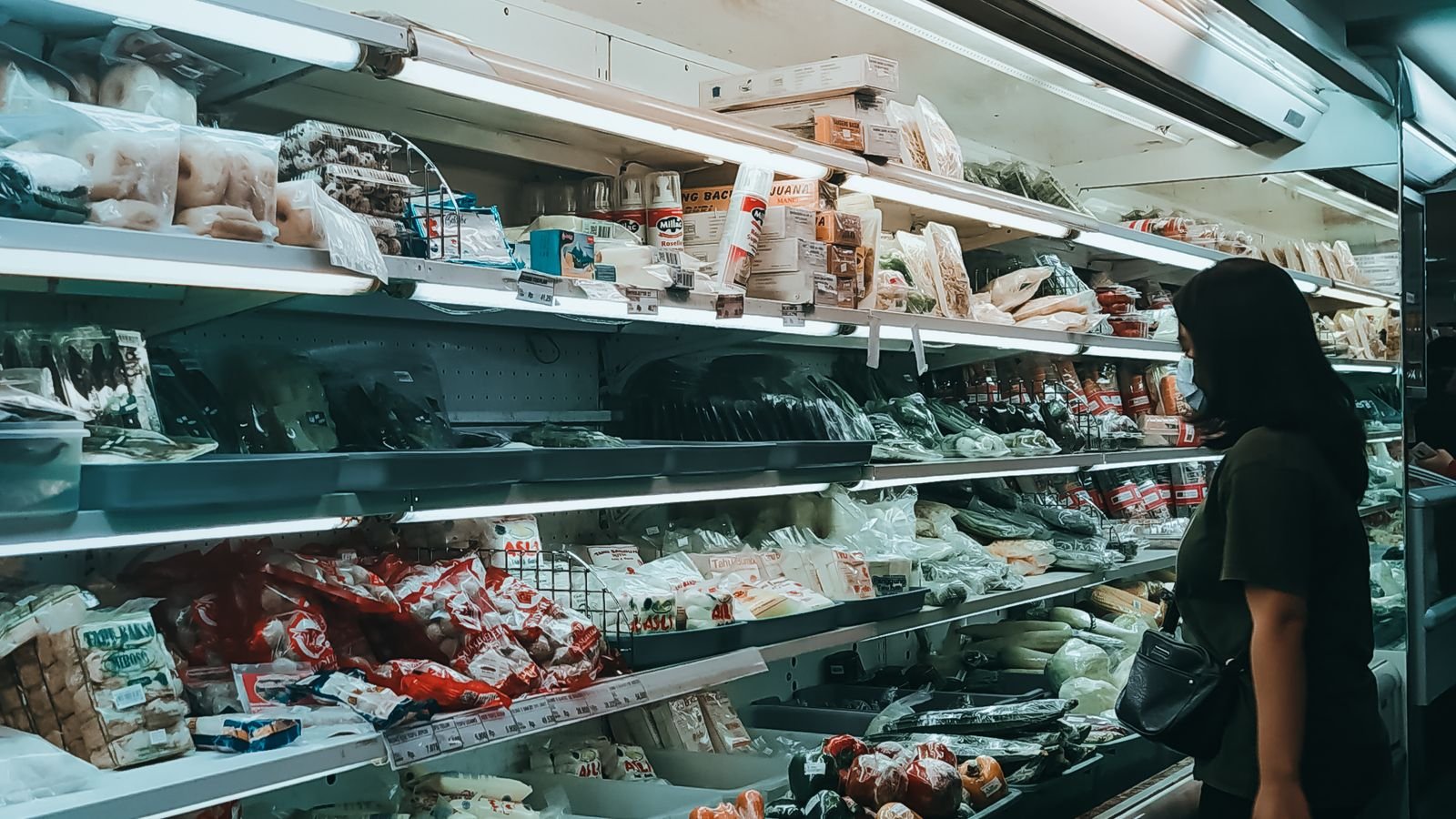
A convenience store is two businesses in one building. It is a shop, with shelves, a till and a floor that takes the weather in from the door. It is also a food business, with chillers, a hot food counter, a coffee machine, bakery items and sometimes a small kitchen area. Each side has its own cleaning demands, and the staff are usually few and busy. Customers judge the shop by its floor and its fridges, and the local authority judges the food side by its hygiene. Retail store cleaning services for a convenience shop therefore need to understand both. This guide explains what staff do day to day, what a contractor does overnight or early, and how the two fit together.
A shop and a food business
Most small convenience stores sell packaged food and drink, fresh items such as sandwiches and dairy and, increasingly, hot food and coffee. The shop areas follow retail cleaning routines, and the food areas follow food hygiene routines. Where the two meet, such as the counter where hot food and the till sit side by side, both matter.
The result is a long list of surfaces, many of which are touched by customers all day. A cleaning plan sorts them into what the team does during the shift and what a contractor does when the shop is closed or quiet.
What the staff do each day
Staff are the first line of care. In a busy shop with one or two people on the till, the daily jobs have to be short and clear.
- Wipe spills straight away and put out a wet floor sign.
- Keep the area around the till, the counter and the door tidy.
- Wipe the hot food counter, serving tools and surfaces between uses, as the shop’s food safety procedures set out.
- Clean the coffee machine and its drip tray according to the maker’s instructions and the shop’s schedule.
- Wipe fridge and freezer door handles and glass fronts that customers touch.
- Check and restock hand soap and paper in the customer or staff toilet.
- Empty bins as they fill, and keep the back door area clear.
- Sweep the entrance and keep mats in place.
These tasks are part of the shop’s own food safety management and daily routine. They are not a contractor’s job, because they happen throughout opening hours.
What a contractor does overnight or early
A cleaner who comes when the shop is closed can do the longer, heavier work that staff do not have time for. A sensible overnight or early morning scope for a convenience store includes the following.
The shop floor
Hard floors are swept and scrubbed, with attention to the entrance, the aisles with the most traffic and the area in front of the till. Machine scrubbing cleans more thoroughly than a mop and dries quickly, so the floor is safe by opening time. Edges, corners and beneath low shelving are cleaned where reachable. If the shop has carpet near the door, it is vacuumed and spot cleaned.
Chillers and freezers
Chiller and freezer fronts are a large part of the shop’s visual impression. The cleaner wipes the exterior, glass doors, handles and shelf edges, and cleans the floor around and beneath the units. Inside the cabinets, cleaning depends on arrangement. Many shops ask staff to do the interior when restocking, because stock has to be moved and temperature has to be controlled. If a deep clean of a cabinet is wanted, plan it with the shop manager, so that stock is moved safely and the cabinet is back at temperature before trading.
Hot food counters
The counter itself, its glass, shelves, trays, heat lamps and surrounding surfaces need a thorough clean when the shop is closed. Heated equipment must be switched off and allowed to cool before cleaning. A contractor works only on the agreed surfaces, and the shop keeps responsibility for food contact items and any equipment that needs specialist handling.
Coffee machines and drinks areas
Surrounding surfaces, drip trays, splash areas and floors are cleaned. The internal cleaning cycle of the machine and any descaling are normally the shop’s job, following the maker’s guidance, unless the contractor has been trained and agreed to do it.
Shelves and displays
Shelves, gondola ends and display units are dusted and wiped. The tops of shelving, the plinths and the floor under them collect more dust than expected.
Stockroom and back areas
The stockroom, loading area and back door need regular attention. Floors are swept and cleaned, shelving is wiped and rubbish is cleared. Keeping this area tidy also helps with pest prevention and fire safety.
Toilets and staff areas
Toilets and sinks are cleaned and disinfected, floors are mopped and consumables are restocked. The staff kitchenette or break area gets the same attention.
Windows and entrance
The inside of the shopfront glass, door glass, handles and thresholds are cleaned. External glass can be a separate task.
Splitting the responsibilities
Many problems come from vague boundaries, so write them down. A simple list with two columns, staff and contractor, helps. Include the following.
- Which tasks are daily and which are weekly or monthly.
- Which equipment is cleaned by staff and which by the contractor.
- Who is responsible for food contact surfaces and hot food equipment.
- Who handles the cleaning of fridge interiors and when.
- How and when stock is moved for deep cleans.
- What products are used, and who supplies them.
- How the contractor reports problems, such as damaged equipment or signs of pests.
Check that the plan fits the shop’s own food safety procedures and the advice of the local authority food team. A cleaner supports the system and does not replace it.
Timing and access
Convenience stores often open early and close late, which narrows the cleaning window. Many arrange a visit after closing, with the cleaner letting themselves in with a key or code and setting the alarm afterwards. Others choose an early morning visit before the first customers. Agree the time, the key arrangements and what to do if staff are on site. Deliveries can complicate access, so ask the delivery driver’s schedule and avoid clashes.
Staying safe on the shop floor
Wet floors are the main hazard in a busy shop. Use signs, wring mops well, dry the entrance in wet weather and change mats when they are soaked. A contractor should work in sections, so that part of the floor is dry at any time. If the shop opens before the floor is fully dry, say so, so that the plan can change.
Trade support
The convenience sector has its own representative body. The Association of Convenience Stores is a trade association for the convenience sector, and its resources cover a range of topics for independent and multiple retailers. It is a useful place for general information on running a convenience store, including how the sector deals with hygiene, compliance and good practice, though the specific food safety rules for your shop come from your local authority and your own procedures.
Pest prevention and waste
A shop that sells food attracts pests if cleaning slips. The stockroom floor, the area behind chillers and the bin store are the places to watch. Keep bins closed, empty them often and clean the bin area as part of the contractor’s scope. Check that deliveries are not left on the floor, and that cardboard is flattened and removed. Tell the contractor to report droppings, gnawed packaging or damp, and tell your pest controller the same day. A contractor cannot treat a pest problem, but the cleaner is often the first person to see it. Agree a simple reporting route, such as a note on the shop manager’s desk or a message, so that nothing is ignored.
Opening checks
A short checklist helps the opening manager confirm the clean. Look at the floor by the door and under the counter, the glass on the chillers, the hot food counter and the toilet. Check that bins are empty and that soap and paper are stocked. If something is wrong, note it and report it the same day, so that the cleaner can put it right on the next visit.
Choosing retail store cleaning services
When you look for a cleaning contractor, ask whether they have worked in shops with food service, and how they handle the two sides. Ask for a written scope with a clear list of tasks and frequencies. Check how they manage keys and alarms, and what insurance they hold. Ask how they will report issues and how quickly they respond if something is missed.
Exclusive Pro Cleaning describes its retail cleaning service for shops on its website. For periodic jobs such as a full reset of chillers, floors and stockroom, the deep cleaning page explains how a thorough clean is organised, and the commercial cleaning overview shows the range of services available.
Questions about convenience store cleaning
Should the cleaner clean inside the chillers?
That is a decision for the shop. Many shops clean interiors themselves when restocking. If a contractor does it, plan the stock movement and temperature control carefully.
Who cleans the hot food counter?
Staff clean food contact parts during the day. A contractor can deep clean the counter surfaces and surroundings out of hours, as agreed.
When is the best time for a clean?
After closing or early in the morning, before the first customers. Agree the time and the access arrangement in advance.
How often should a convenience store have a deep clean?
It depends on trade and layout. Many shops plan a deep clean every few months, with lighter work in between. To discuss a convenience store’s chillers, counters and opening hours, contact Exclusive Pro Cleaning.