
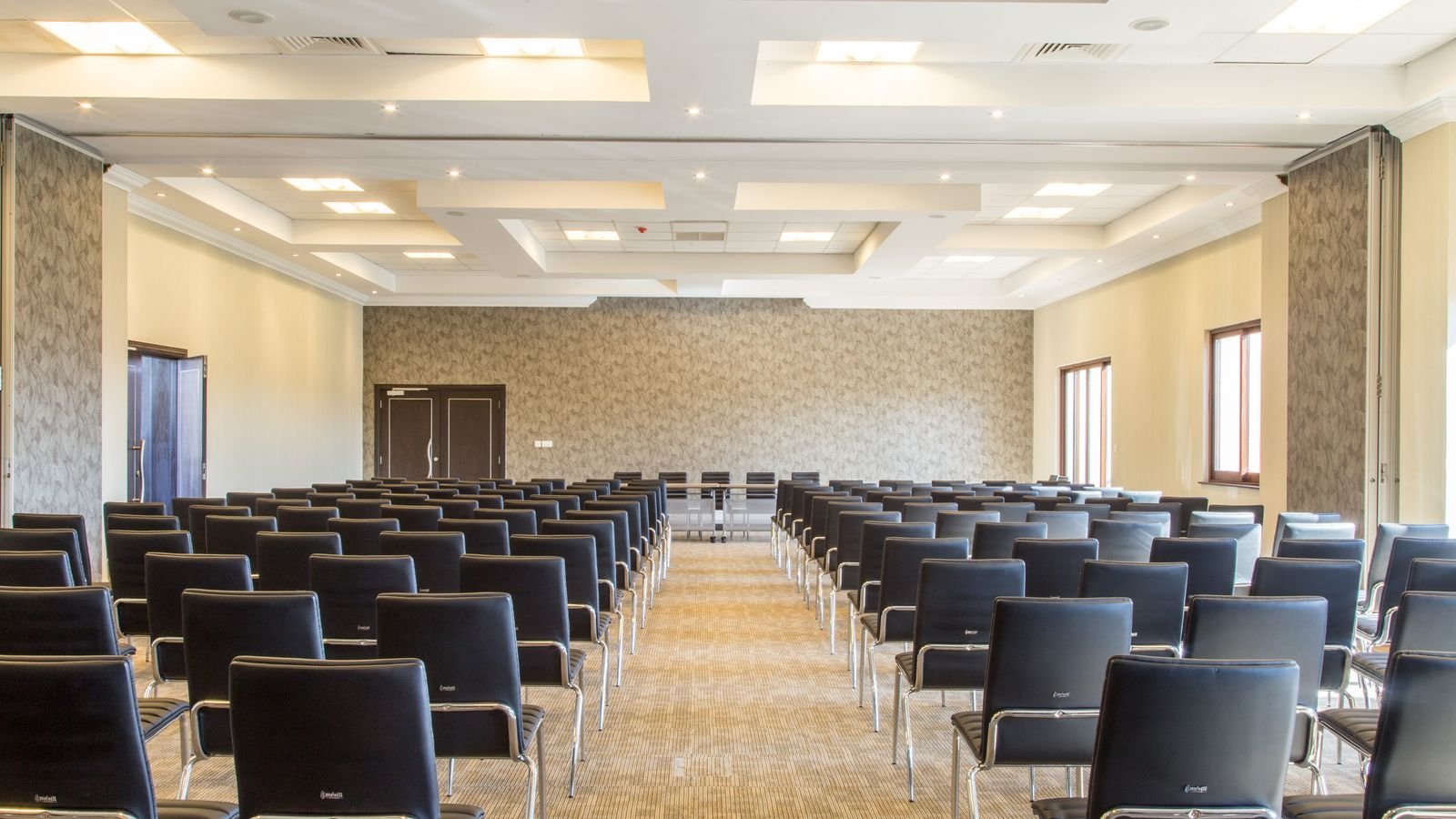
An event is judged by its details. The visitor who notices a sticky floor, a full bin or a toilet that has run out of paper remembers it long after the speeches are forgotten. For a venue, a conference room or a hall that hosts events, cleaning is not a single job. It happens in three phases around the event itself. There is a set-up clean before the doors open, a light presence of litter picking and toilet checks during the event and a full clear-down after it, usually overnight, so that the space is ready for the next booking. Understanding those phases helps a venue manager plan, helps an organiser ask for what they need and helps a cleaning provider quote accurately. This guide explains each phase, how staffing and waste are handled and how a venue books after event cleaning.
Why events need a planned approach
Events put an unusual load on a building. Hundreds of people may arrive within a short window, use the toilets heavily, eat and drink, drop litter and leave in a rush. Catering brings food and waste, and exhibitions or conferences bring staging, display material and packaging. A venue that cleans only when the event is over will find that people have been uncomfortable throughout. A venue that plans cleaning in three phases keeps standards steady from first arrival to last departure.
Phase one, the set-up clean
The set-up clean prepares the space before anyone arrives. It happens after the previous event is cleared and before staging, catering and guests.
What it covers
- Floors vacuumed, swept and mopped, depending on the surface, so the room starts clean.
- Surfaces wiped, including windowsills, ledges, rails, tables and chairs that are already in place.
- Toilets deep cleaned and stocked with soap, paper and bin liners.
- Entrances, lobbies and reception areas cleaned, and glass wiped.
- Bins emptied and relined in all areas, with extra bins placed where needed.
- Catering areas and kitchens checked and cleaned where the cleaner is responsible for them.
- Signs and barriers put in place for wet floors or restricted areas, where agreed.
Timing
The set-up clean should end well before the event starts, to leave time for set-up crews, caterers and the organiser to work in a clean space. Floors need time to dry, and the cleaner needs to finish before furniture and equipment arrive. A schedule agreed with the venue manager and the organiser avoids a scramble.
Phase two, during the event
During the event, cleaning is light, quick and discreet. It keeps the space looking good without getting in the way.
Litter picking and tidying
A cleaner or a small team circulates through public areas, clearing cups, plates, wrappers and spills. They empty bins that are filling, replace liners and keep walkways clear. Busy times, such as breaks and lunch, need more attention than quiet sessions.
Toilet checks
Toilets are the area visitors notice most. A regular check, perhaps every half hour or hour depending on numbers, covers wiping basins, topping up soap and paper, emptying bins, clearing the floor and dealing with anything that needs more attention. A cleaner should be able to be called quickly if there is a spill or problem.
Spill response
Spills happen, and a cleaner on site can respond at once, using wet floor signs and quick drying methods. This is a safety matter as well as a cosmetic one, because a wet floor in a crowded space can lead to accidents.
Liaison
The cleaner needs a point of contact in the venue or event team, so that they can be told about changes in the programme, VIP visits or areas that need extra attention. A radio or phone number is helpful.
Phase three, after event cleaning and the clear-down
The after event clean is the largest job. It takes the space from used to ready.
What it covers
- Removing waste, including packaging, food waste, recycling and any event material left behind.
- Sweeping, vacuuming and mopping floors, with machine scrubbing for hard floors and carpet cleaning where needed.
- Cleaning tables, chairs, counters, surfaces and equipment surfaces that belong to the venue.
- Deep cleaning toilets, including floors, fixtures and bins.
- Cleaning catering areas and bar zones, where included in the agreement.
- Wiping glass, doors, handles and entrances.
- Spot cleaning marks and stains on walls, floors and soft furnishings.
- Resetting the room, if requested, with furniture put back and bins in place.
Timing
Many venues need the after event clean to take place overnight, so that the space is ready the next morning. The cleaner needs access as soon as the last guests leave, and the venue needs to say what time it must be finished. The clear-down works best when the organiser and the caterers have removed their own equipment and waste, or when there is a clear agreement about who does what.
Staffing
The number of cleaners depends on the size of the venue, the number of guests and the type of event. A small hall may need one person during the event and two for the clear-down. A large conference space may need several. Ask the provider how they decide staffing levels, and share the expected numbers and the programme. Too few staff means the standard drops, and too many costs more than necessary. Experienced providers work from a site visit or a briefing, then adjust after the first event.
Waste
Events produce large amounts of waste, and a plan is needed for where it goes. Agree the following.
- Where bins are placed, and how many.
- Who empties the bins during the event.
- Where bags are stored before collection.
- How recycling is separated, if the venue offers it.
- Who arranges the waste collection and when.
- What happens to bulky waste, such as boxes, display material and pallets.
Check with the venue about its waste contract, since a cleaner may not be able to remove bulky items without arrangements for disposal.
How a venue books event cleaning
A short process works well.
1. Tell the provider the date, time, venue, expected numbers and the type of event. 2. Share the programme, the floor plan and the areas to be cleaned. 3. Arrange a site visit, if the provider has not worked at the venue before. 4. Agree the three phases, the times and the number of staff. 5. Agree access, key holding, parking and any security rules. 6. Agree the price, what is included and what is extra, such as bulky waste or carpet cleaning. 7. Name a contact on each side, with phone numbers for the day. 8. After the event, review what worked and adjust for next time.
Many venues set up a regular arrangement with one provider, so the team learns the building and the standards.
Industry context
The events industry has its own bodies. The Association of Event Organisers describes itself as the UK’s trade association for companies that create, develop and manage trade and consumer events, and its existence reflects how much planning goes into running events. Organisers often have their own requirements, and a venue that can explain its cleaning plan clearly is easier to work with.
Related services
Exclusive Pro Cleaning describes its commercial cleaning services on its website, and its deep cleaning page explains how a thorough clean is arranged, which suits the clear-down after a large event. For private parties at home, the after party cleaning page covers that side of the work. Ask any provider to confirm what is included and what is not.
Special considerations by venue type
Venues differ, and the plan should too. A conference room with carpet and fixed seating needs vacuuming, spot cleaning and care around cables and equipment. A hall with a hard floor needs sweeping and machine scrubbing, with attention to the edges where debris collects. A venue with a bar needs sticky floors and glass-heavy surfaces dealt with quickly. A hotel function room may need linen and furniture reset to a standard layout. Outdoor spaces, entrance areas and smoking shelters add litter and cigarette waste. Tell the provider about the specific features of your venue, and share photographs. The better the briefing, the more accurate the quote and the smoother the event.
After the event review
A short review after the event helps next time. Ask the cleaning lead what they found, how long each phase took and what slowed them down. Compare it with the plan, and note changes to staffing, timing or the placing of bins. Share the review with the organiser and keep it on file, so that the next booking starts from what worked.
Questions about event cleaning
Do I need cleaners during the event?
For larger events, yes. Litter picking and toilet checks keep standards up while people are present.
When should the after event clean happen?
As soon as the event ends, usually overnight, so the venue is ready for the next booking. Agree the finish time in advance.
Who deals with the waste?
That should be agreed before the event. Decide who empties bins, where waste is stored and how it is collected.
Can the same team do all three phases?
Often, yes. It helps continuity, since the team knows the layout and the standards. To ask about cleaning for a venue’s events, contact Exclusive Pro Cleaning.