
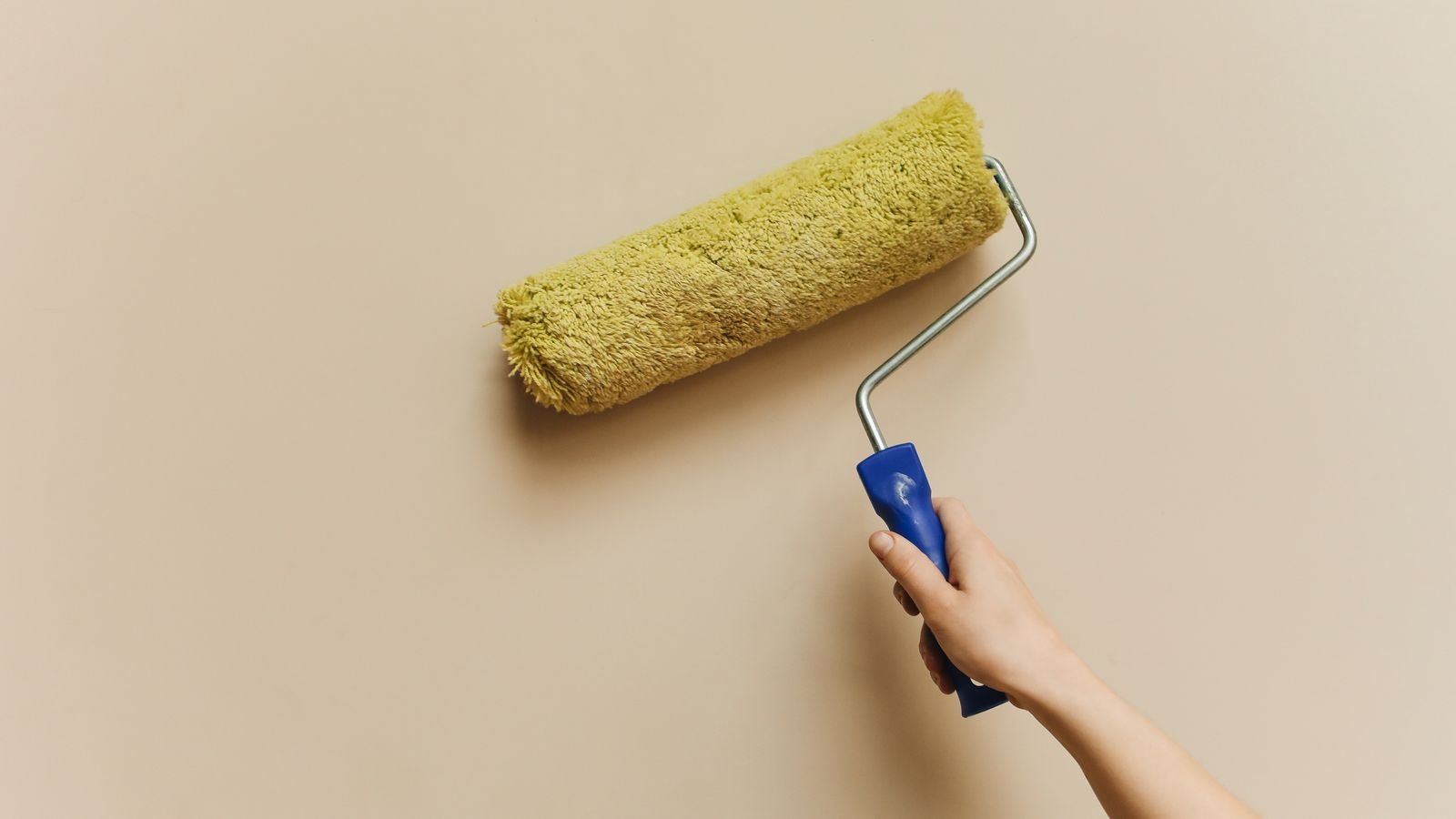
The decorators have packed up and the walls look wonderful. Then you notice a fine white film on every sill, specks of paint on the window glass, a strip of sticky residue where the masking tape was and a gritty feel underfoot. Decorating is cleaner than building, but it still leaves a particular kind of mess, and people often underestimate it. Post renovation cleaning after decorating is its own job, with its own methods, and doing it in the right order saves a lot of time. This guide explains what is left behind after painting and preparation, how it is tackled and when to book help.
What decorating leaves behind
The mess comes in several forms, and each one needs a different approach.
Sanding dust
Preparation usually involves sanding walls, woodwork or filler. The dust is extremely fine and travels well beyond the room being worked on. It settles on skirting boards, window sills, door frames, radiators, light fittings, the tops of doors and inside cupboards. It is easy to smear into a paste if you wipe it with a wet cloth too soon.
Paint drips and splashes
Even careful decorators leave a few marks. Typical places are floors near the skirting, window glass, hinges, door handles, light switches, tiles and the edges of carpets. Fresh paint wipes off easily. Dry paint is harder.
Masking tape residue
Tape that has been left on for a long time, or exposed to heat or sun, can leave sticky adhesive behind. It shows up on glass, frames, woodwork and floors, and it collects dust and fluff.
Dust sheet debris
Dust sheets and plastic covers trap dust and paint flecks. When they are taken up, the debris falls onto the floor, and some of it ends up in carpets.
Fumes and smell
Fresh paint has a smell that can linger for days. It is not a cleaning problem as such, but ventilation and time are part of the aftercare.
The order of work
Cleaning after decorating should follow the same logic as most cleaning, working from the top down so that dust falls onto surfaces that have not yet been cleaned. A sensible order is as follows.
1. Open windows and keep the room ventilated throughout. 2. Remove dust sheets carefully, folding them inwards so debris is trapped, and take them out of the room. 3. Dry dust first. Vacuum ceilings, light fittings, picture rails, the tops of doors and frames, then walls if needed, using a soft brush attachment. 4. Vacuum sills, skirting, radiators and the tops of fitted furniture. 5. Wipe surfaces with a slightly damp microfibre cloth, rinsing it often. 6. Deal with paint splashes and tape residue on glass and hard surfaces. 7. Clean windows and mirrors. 8. Vacuum floors thoroughly, including edges and corners, then mop hard floors or clean carpets. 9. Finish with a last wipe of touch points and a final look in good light.
Working top down matters because every surface above the floor gives up dust, and wet cleaning too early turns that dust into streaks.
Dust on skirtings, sills and radiators
Fine dust loves horizontal edges. Vacuum first with a brush head, then wipe with a lightly damp cloth, working in one direction. Rinse the cloth often. For painted woodwork, avoid scrubbing, because fresh paint can be soft for a while, and the finish may take days to harden fully. Check the paint manufacturer’s advice on how long to wait before washing. The Dulux website is one of the places that publishes information about its paints, including care and recoating advice, and it is worth checking the label of the paint that was used.
Radiators deserve special attention, because dust collects between the fins and then blows around the room when the heating comes on. A narrow brush or a radiator duster helps, followed by a damp cloth.
Paint drips on floors and glass
The method depends on the surface and the paint.
- On glass, fresh paint comes off with a damp cloth. Dried paint can be softened with warm water and lifted with a plastic scraper or a razor blade held flat, used carefully to avoid scratching.
- On tiles and sealed hard floors, a plastic scraper and a damp cloth usually work. Test any solvent in a hidden corner first.
- On wood floors and laminate, avoid soaking the surface. Gentle, patient work with a soft cloth and an appropriate product is better than force.
- On carpet, act quickly if the paint is wet. Dry paint on carpet is often a job for a specialist, and cutting out the fibre may be the only answer.
- On door furniture, metal handles and hinges, a cloth with a little warm water and mild detergent usually removes drips. Avoid harsh solvents that can mark the finish.
If you are unsure whether a product is safe for a surface, test a small, hidden area first, and ask the manufacturer or the decorator what was used.
Masking tape residue
Residue is easiest to remove soon after the tape comes off. Warm soapy water and a soft cloth will take off light traces. For stubborn adhesive, a little cooking oil or a dedicated adhesive remover on a cloth often softens it, followed by washing with detergent to remove the oil. Do not use solvents on painted surfaces, plastics or varnished wood without testing first. If you are not sure, call a specialist.
Light fittings and ceilings
Dust gathers on light fittings, shades and ceiling roses. Switch off the light at the wall, and let bulbs cool. Remove and wash glass shades if they are designed to come off, and wipe the rest with a damp cloth. Dry thoroughly before turning the power back on. Check ceiling corners and cornices for cobweb-like dust.
Flooring
After a decorating job, the floor needs a thorough clean. Vacuum slowly, using a hard floor head or a brush attachment, and go over edges and corners twice. Carpets may hold fine dust deep in the pile, which a simple vacuum does not remove. A professional carpet clean can help, particularly if sanding was done in the room.
For hard floors, vacuum first, then use a damp mop with a suitable cleaner. Avoid pushing grit across the surface, because it can scratch. Change the water often.
When to book post renovation cleaning
You can handle a small job yourself, but there are good reasons to book a team. To ask about a clean after decorating, contact Exclusive Pro Cleaning with the rooms and the date the work finished.
- A whole house or several rooms were decorated, and the amount of dust is more than you want to tackle.
- You are about to move in, sell or let the property, and want it to look its best.
- Someone in the household has asthma or an allergy, and fine dust is a concern.
- The decorators left paint on glass, tiles or floors that you cannot remove.
- You do not have the time, tools or ladders to reach the high areas.
Exclusive Pro Cleaning describes its post renovation cleaning service for homes, and for a more thorough reset, its home deep cleaning page explains what is included. If you need a single visit and not a regular arrangement, the one-time cleaning option is designed for that.
Timing the clean
The best moment is after the decorators have finished and their equipment has gone, but before you put furniture and soft furnishings back. A clear room is quicker and cheaper to clean, and you avoid transferring dust to upholstery and curtains. Allow the paint to dry, which can take days depending on the product and conditions, because cleaning too soon can damage the finish. If you are in a hurry, ask the decorators which areas are safe to clean first.
For rooms you plan to use at once, such as a bedroom, clean it last and leave the window open for as long as you can before sleeping in it.
Protecting the clean after the work
Once the clean is done, a few habits keep it that way. Keep windows open for a while to clear paint fumes, and avoid putting heavy items on freshly painted shelves or sills until the paint has fully cured. Lay down mats at the door so that outside dirt does not undo the work. If more decorating is planned in another room, close doors and seal gaps with tape or sheeting, because dust finds its way through the smallest opening. Keep a spare tin of each paint colour, labelled with the room and the date, for touching up marks later. It is far easier to deal with a scuff on day one than to hunt for the right shade a year on.
Questions about cleaning after decorating
How soon can I wash newly painted walls?
Check the paint manufacturer’s advice. Many paints need time to harden, and early washing can mark or remove the finish.
Why does dust keep coming back after cleaning?
Fine sanding dust settles slowly and gets disturbed by movement and heating. Vacuum high surfaces first and repeat a light dusting a few days later.
Can a cleaner remove dried paint from windows?
Usually, with care. A plastic scraper or a flat razor blade and warm water can lift dried paint without scratching the glass.
Do I need a professional clean after a small decorating job?
Not always. A small room can often be handled by following a top-down order. For larger jobs or tight deadlines, a team saves time.