
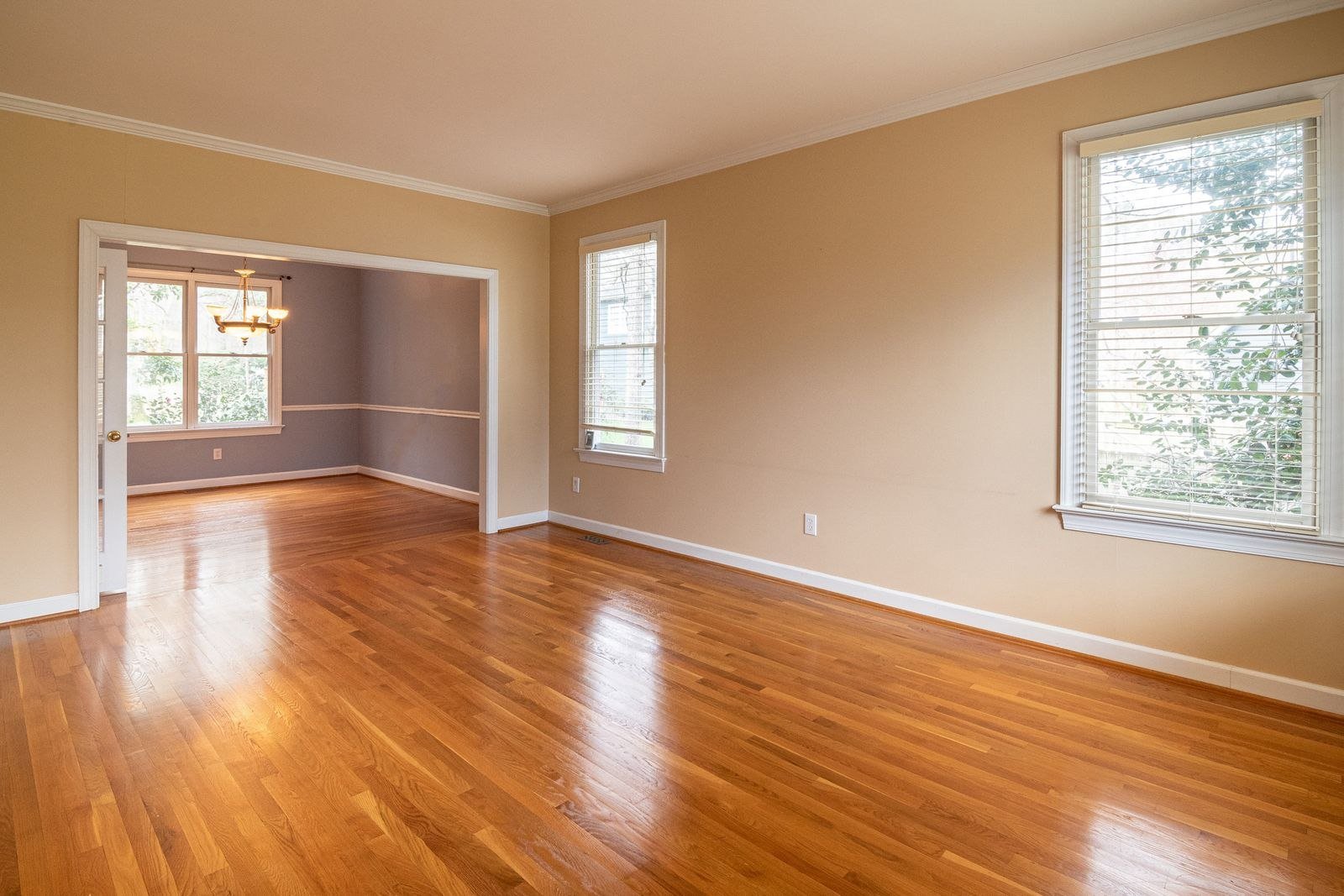
Moving out of a rented property in Manchester is rarely as simple as handing back the keys. Between the final inventory check and the deposit release sits one thing that catches more tenants out than anything else, the condition of the property on the day of checkout. Letting agents do not judge cleanliness by walking through and having a quick look around. They work from a detailed checkout report that compares the property, room by room, against the inventory taken when the tenancy began.
Cleaning consistently sits at the top of the list of reasons for deposit deductions across the UK rental market, ahead of damage and unpaid rent. That is worth pausing on. Most tenants do clean before they leave. The problem is that domestic cleaning and checkout-standard cleaning are two different jobs, and the gap between them is exactly where deductions happen. This guide walks through what Manchester letting agents actually check, why certain areas fail again and again, and how professional end of tenancy cleaning changes the outcome.
The Checkout Report Is the Only Opinion That Matters
When your tenancy started, an inventory clerk or agent recorded the condition of every room, usually with photographs and written notes. At checkout, the same process happens in reverse. The clerk compares the current state of the property to that original record, allowing for fair wear and tear.
This is why “it looks clean to me” carries no weight. The clerk is not comparing the property to an average home. They are comparing it to a documented starting condition, which in many Manchester lets was a professionally cleaned property. If the inventory says the oven was clean to a professional standard at check-in, the oven needs to be at that standard at check-out. Anything less is a gap the agent can raise with the deposit scheme.
Professional bodies such as Propertymark, which sets standards for letting agents across the UK, encourage agents to run structured, evidence-based checkouts precisely so that disputes are decided on records rather than opinions. That works in a tenant’s favour too, but only if the property genuinely meets the recorded standard.
The Kitchen Gets the Longest Inspection
Ask any inventory clerk where checkouts fail and the kitchen will be the first answer. It is the room with the most appliances, the most grease and the most hidden surfaces.
The oven is the single most failed item
Burnt-on carbon inside the oven, greasy racks, a marked glass door and a grimy grill pan are the classic deduction triggers. Domestic oven sprays rarely shift baked-on deposits that have built up over a full tenancy. Agents know this, which is why the oven is often photographed with the door open during checkout. A proper deep clean strips racks, trays, the fan cover and the door glass back to a presentable state, which is why professional oven cleaning is built into every serious end of tenancy job.
Everything else the clerk opens and looks behind
- Inside the fridge and freezer, including door seals and drainage channels, with the appliance defrosted and dry
- The extractor hood, its filters and the greasy strip of wall behind the hob
- Inside cupboards and drawers, where crumbs and sticky rings collect on shelf liners
- The washing machine drawer and door seal, which hold mould and detergent residue
- Kickboards, bin areas and the floor edge behind the bin where spills gather
- The dishwasher filter, a small item that fails checkouts surprisingly often
Bathrooms Fail on Limescale, Not Dirt
Manchester’s water is softer than the south east, but limescale still builds on shower screens, taps and around plugholes over a year or more. Clerks run a finger over the screen and look at the chrome. Cloudy glass, scaled spouts and discoloured grout read as neglect even in an otherwise tidy bathroom.
The other bathroom failure point is sealant and grout. Black spotting on silicone around the bath or shower tray is recorded as a cleaning issue where it can be treated, and as damage where the sealant is beyond recovery. Extractor fan covers, the tops of tiles, the base of the toilet and the underside of the sink pedestal all appear on standard checkout templates, and all are places a rushed domestic clean skips.
Carpets Are Judged Against Check In, Fibre by Fibre
Flooring covers more of the inventory report than any other single element, simply because it runs through every room. Vacuuming is expected as a bare minimum. What agents actually look for is the difference between the carpet at check-in and the carpet now.
- Traffic lanes, the darkened paths from doorways to sofas and beds
- Spot stains from drinks, food, make-up or pets
- Pressure marks and ground-in soil where furniture stood
- Odours, especially in properties where pets were kept or tenants smoked
If the tenancy agreement notes that carpets were professionally cleaned before move-in, agents will often expect the same at move-out, and a hoover pass will not close that gap. Hot water extraction lifts the embedded soil that domestic machines leave behind, which is why professional carpet cleaning in Manchester is the item most frequently added to an end of tenancy booking. Where a specific mark is the worry, targeted carpet stain removal before the checkout date is far cheaper than a deposit deduction after it.
The Details That Separate a Pass From a Deduction
Beyond the big rooms, checkout reports include a long tail of small items. Individually they are minor. Together they are the difference between a clean handover and a list of deductions.
- Skirting boards, picture rails and the tops of door frames, checked with a fingertip for dust
- Light switches, sockets and door handles, which hold finger marks and grime
- Internal windows, sills and frames, including the channel tracks on uPVC frames
- Blinds, curtain rails and lampshades, which gather a film of dust over a tenancy
- Inside wardrobes, drawers and the shelf above the hanging rail
- Radiators, including the top grille and the wall behind where dust shadows form
- Vents and extractor covers in kitchens and bathrooms
- The front door, bin store area and any balcony or yard included in the let
Clerks in Manchester see dozens of properties a month. They know exactly where tenants stop cleaning, and those are the first places they look.
Why DIY Cleans Fail Checkouts So Often
Most failed checkouts are not the result of laziness. They are the result of underestimating the job. A whole-property end of tenancy clean of a two-bed flat is a full day of physical work with proper equipment, and most tenants attempt it the day before handover, around packing, van hire and meter readings.
There are three structural reasons the DIY route falls short. The first is equipment, because domestic vacuums, supermarket sprays and a mop cannot match extraction machines and professional-grade degreasers on a year of build-up. The second is sequence, because cleaning a property in the wrong order means dust and splashes land on surfaces already finished. The third is the checklist itself, because tenants clean what they can see, while clerks inspect from a template that includes everything they cannot.
A professional end of tenancy cleaning service works from the same style of checklist the inventory clerk uses, which is the whole point. The job is done to the standard the report will measure, not to the standard of a normal weekly clean.
Timing the Clean Around Your Move
The clean should be the last thing that happens in the property before checkout. Book it after removals, not before, so the team can reach carpet under furniture and shelves inside emptied cupboards. Leave a gap between the clean and the inspection that is as short as practical, ideally the same day or the day before, so nothing has a chance to gather dust or be walked over.
Keep the receipt or completion note from the cleaning company. If the agent raises a query, dated proof that a professional checkout clean took place is strong evidence in any deposit scheme discussion. Landlords preparing the same property for new tenants often run the mirror-image process, a move in clean that resets the inventory baseline for the next tenancy.
A Simple Pre Checkout Walkthrough
Before you hand back the keys, walk the property the way the clerk will. Open the oven. Open the fridge. Pull out a drawer. Look at the shower screen against the light. Run a finger along a door frame. Stand in each doorway and look at the carpet path in front of you. If anything makes you hesitate, it will make the clerk pause too, and their pause goes in the report.
Ten minutes of honest inspection before checkout costs nothing. A relisted deduction dispute can drag on for weeks and sour a reference you may need for your next Manchester tenancy.
End of tenancy cleaning is one of the few parts of moving where the outcome is almost entirely predictable. Clean to the checkout standard and the report passes. Clean to a domestic standard and the gaps get itemised. For most tenants, the cost of a professional clean is comfortably below the deduction it prevents, and it removes an entire day of pressure from an already stressful week.
If you have a checkout date in the diary anywhere in Greater Manchester, get the clean booked before the final week fills up. Tell us the property size, the checkout date and whether carpets and the oven need doing, and we will take it from there. It takes two minutes to request a free quote and it could be the difference between a full deposit and a deduction letter.