
Most regular home cleans happen while nobody is in. People are at work, at school or out for the morning, and the cleaner arrives to a quiet house, does the job and leaves it ready for the evening. That arrangement works well, but it rests on trust and on a few practical details that are worth settling before the first visit. If you are looking for domestic cleaners in Manchester and have never handed over a key, the questions are bound to come up. How does the cleaner get in? What about the alarm? What happens with the dog? Where do you leave a note? And who locks up? This guide goes through each one, with a calm, practical approach that suits most households.
Start with the trust question
Giving someone access to your home is a significant step. It makes sense to ask the company how it vets and supervises its cleaners, whether they are employees or self-employed, and what insurance is in place. Ask who will come, and whether it will be the same person each time. You can find out more about how a company works on pages such as the about us page of Exclusive Pro Cleaning, and the local cleaner page explains how local teams are arranged. A reputable provider will answer these questions willingly, and will not mind if you want to meet the cleaner first or be present for the first visit.
Many people choose to stay at home for the first clean, walk through the house with the cleaner, show them where things are and agree what is and is not to be touched. After that, they feel comfortable leaving the cleaner on their own.
Ways to give access
There are a few common methods, each with its own pros and cons.
Handing over a key
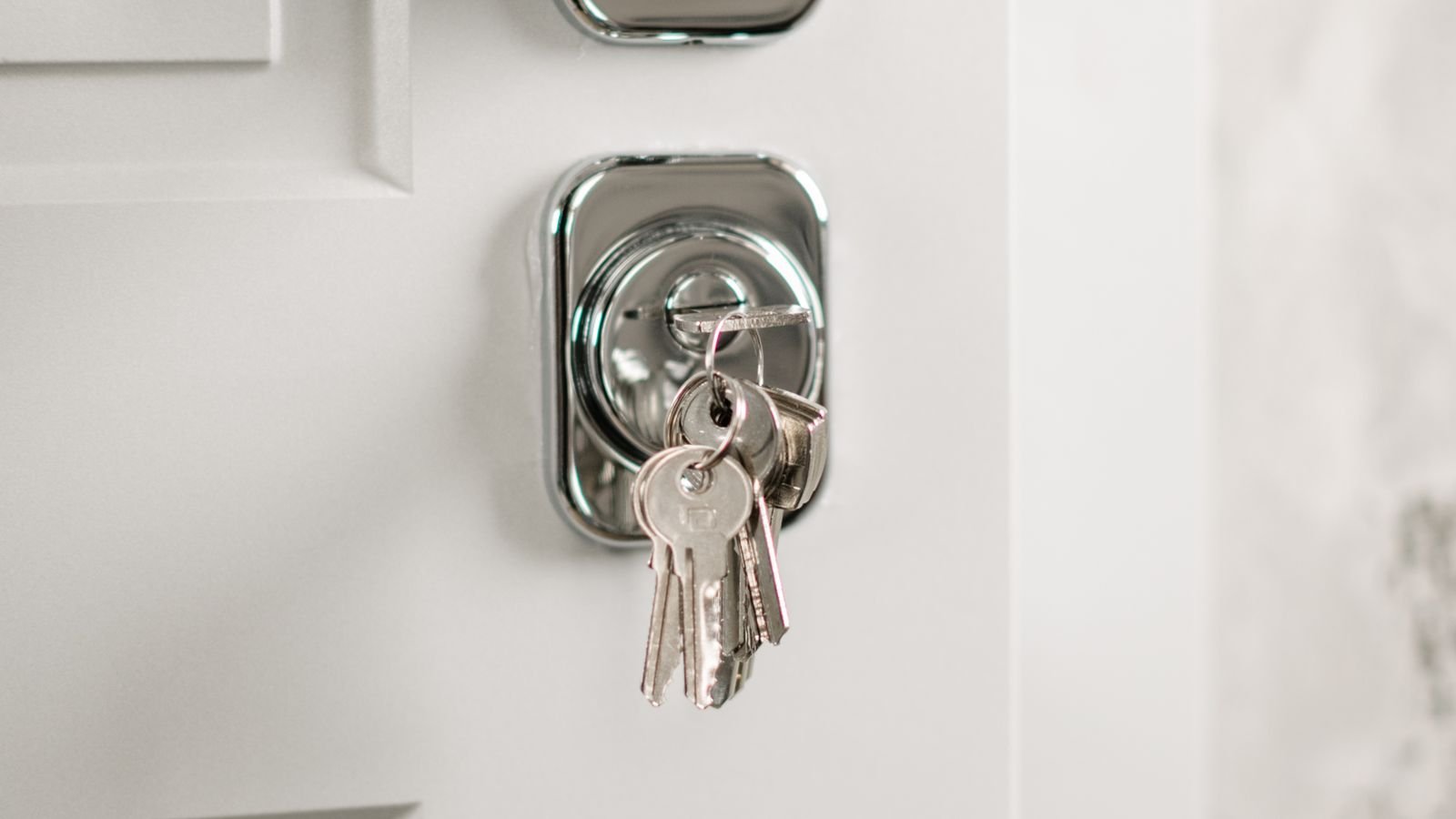
The cleaner or the company holds a key. It is simple and reliable, and the cleaner can come and go on a set schedule. The risks are loss and the question of who else has access to it. If the company holds keys, ask how they are stored, whether they are labelled with an address or a code and what happens if one goes missing. A good provider labels keys with a reference number, not the address, and keeps them secure.
A key safe or lockbox
A small lockbox fixed to a wall near the door holds the key and opens with a code. It lets you control access without handing anything over. You can change the code whenever you like, and you do not need to be in. The downside is that the box needs to be fitted properly and the code kept private. Secured by Design, the official police security initiative, publishes guidance on security for homes and products, and it is a useful place to read before you choose any security arrangement. The Secured by Design site explains what the scheme covers. We do not endorse any particular product here, and you should choose a box that suits your door and your insurance.
Being let in
Some households prefer to let the cleaner in themselves, perhaps a neighbour or a family member who is nearby. This avoids key issues but depends on timing, and it may cause trouble if the person is not available.
Smart locks and codes
Digital locks let you give each visitor a code and see when it was used. They are convenient, but they depend on batteries and the network. If you use one, set up a code for the cleaner and change it if they stop working for you.
Alarms
If your home has an alarm, tell the cleaner how it works before the first visit. Write down the steps clearly, and agree what to do if it goes off. Many people give the cleaner their own code, which allows the cleaner to set and unset the alarm. Others use a separate code that can be removed later. Do not share your main code if you can avoid it, and ask your alarm company how to set up temporary or individual codes. Give the cleaner a contact number in case of problems, and agree who calls the alarm company if the system is triggered.
If you use a monitored alarm, tell the monitoring company that a cleaner will be in the house at the agreed times, so that an alert is not treated as a break-in. A short call before the first visit avoids a stressful misunderstanding.
Pets
Pets are a part of the household and need thought. The cleaner may be happy to work around a friendly dog or cat, but they might not be. Agree these points in advance.
- Whether the pet is to be shut in a room, put in the garden or left to roam.
- Whether there are rooms the pet must not enter, and how the cleaner closes doors.
- Any behaviour the cleaner should know about, such as a nervous cat that bolts or a dog that guards the door.
- Where food, bowls, litter trays and cages are, and whether the cleaner is expected to clean them.
- What to do if a pet is ill or an accident happens during the visit.
- Allergies, since some cleaners may be sensitive to certain animals.
Never assume that a cleaner is comfortable with animals. Say clearly what is expected, and be honest if the dog is boisterous. If you have an outdoor cat with a cat flap, mention how the flap is used, so the cleaner does not worry about it.
Notes and communication
A short written note solves many small issues. Decide where notes are left, such as on the kitchen worktop or a small notepad by the door, and agree how the cleaner leaves feedback, such as a note about a broken item, a low supply of cleaning products or a job that could not be done. Some people prefer text or email. Whatever you choose, keep it simple and consistent.
Useful things to put in a note include the following.
- A particular area to focus on this week.
- Anything not to move or touch.
- Visitors or deliveries expected during the visit.
- Changes to the pet arrangement, alarm code or parking.
- Praise as well as requests, because it helps a cleaner know what you value.
Keep a list of jobs for the regular visit and a separate list of extras for occasional deep cleans.
What to agree about locking up
Make a clear arrangement about what happens at the end of the visit. The cleaner should know whether to lock the door, set the alarm, return the key to the lockbox and close the windows. Also agree what to do if they cannot lock the door for any reason, who to contact and what the household expects in that case.
Check the following with each cleaner or company.
- The time of arrival and the expected finish time.
- Who is told when the cleaner arrives and leaves, if you want that.
- What to do if the cleaner cannot get in, and how long they wait.
- What happens if the household is late home or a plan changes.
- Whether the cleaner can let in anyone else. In most cases, the answer should be no.
What belongs in the home during a visit
Think about valuables and private papers. Most people simply put away jewellery, cash and personal documents, as a sensible habit. It is good practice for the household and takes nothing away from the cleaner. A tidy surface is also quicker to clean, so a short clear-up before the visit helps both sides.
If you have rooms that are off limits, such as a home office or a bedroom, say so. If you have security cameras inside the house, tell the cleaner and follow the relevant guidance on informing visitors. If something is damaged or goes missing, report it straightaway, and ask the company how it handles incidents.
Setting up a regular schedule with domestic cleaners in Manchester
Once access and routines are settled, a regular cleaning schedule is simple to run. A weekly or fortnightly visit at the same time and day makes it easy to plan. Tell the company about changes early, such as holidays or one-off absences, and agree how to pause or move a visit. When the household changes, for example a new baby or a house guest, review the arrangement and see whether the scope still fits.
Reviewing the arrangement
After the first few visits, check in. Did the cleaner get in without trouble? Was the alarm set correctly? Did the pet cope? Were the notes helpful? A short conversation or message fixes most problems. If something feels wrong, raise it quickly and calmly. A good provider will welcome the feedback. To set up access for a first visit, contact Exclusive Pro Cleaning.
Questions about letting a cleaner in
Is it normal to leave a key with a cleaning company?
Yes, many households do. Ask how keys are stored and labelled, and what happens if one is lost.
Should I give the cleaner my alarm code?
You can, but many people prefer a separate code that can be removed later. Ask your alarm company how to arrange this.
What should I do about my dog?
Tell the cleaner about the dog’s behaviour in advance, and agree whether the dog is shut in a room or garden during the visit.
Do I have to be home for the first visit?
No, but many people choose to be. It gives you a chance to show the cleaner around and agree the routine.