
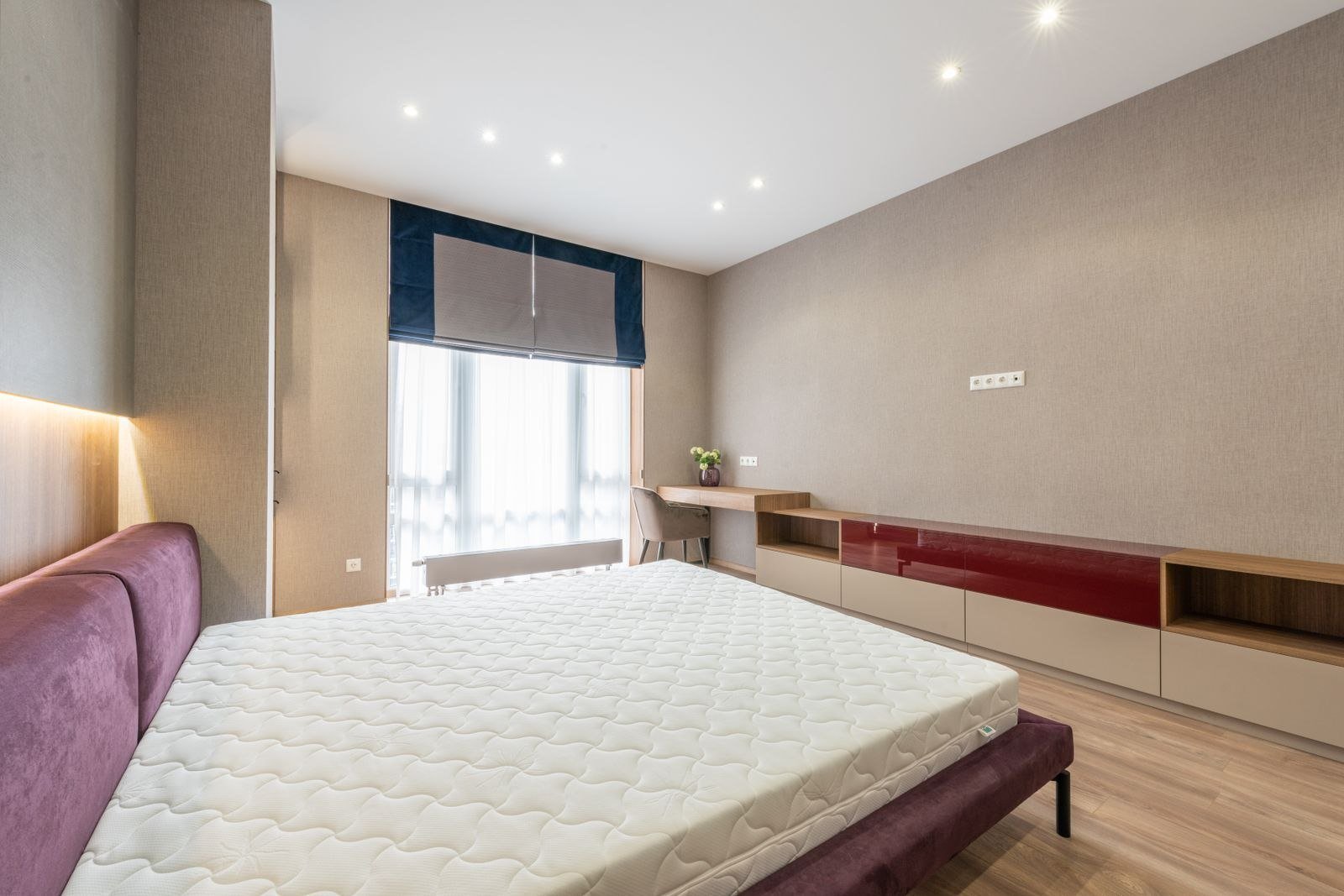
Think about the two surfaces in your home that get the most hours of direct body contact. They are not the kitchen worktop or the bathroom floor, the surfaces that get cleaned constantly. They are your mattress and your sofa, and for most households they have never been cleaned at all beyond a sheet change and the occasional cushion plump. A mattress hosts a third of your life at the closest possible range. A sofa carries the family, the pets, the food, the illnesses and the spilled drinks of years. Both are thick, absorbent, fabric-covered structures, which makes them superb at collecting what lands on them and almost impossible to clean by ordinary domestic means.
This is not an argument for anxiety. It is an argument for treating soft furnishings the way we already treat carpets, as surfaces with a real hygiene load and a proper cleaning answer. This guide covers what actually accumulates in mattresses and upholstery, who feels the effects most, and what professional cleaning does that home methods cannot.
What Is Actually in a Used Mattress
A human adult sheds skin continuously and loses a surprising amount of moisture every night, and both go somewhere. The somewhere is bedding first and the mattress beneath second, layer by layer, year by year. The realistic inventory of a mattress a few years old includes shed skin cells in quantity, sweat residues and body oils that penetrate past the cover into the comfort layers, dust mites in their thousands feeding on the skin cells, and the mite droppings that are the actual allergen, plus whatever history the mattress carries, night-time accidents from children, pet hair from the dog that is not allowed on the bed but goes on it anyway, and the general dust of the room settling into the surface every day.
None of this is a hygiene scandal, it is simply what mattresses are and do. The point is that the accumulation is real, it is biological, and it sits centimetres from your airways for seven hours a night. Sleep organisations such as The Sleep Charity consistently place the sleep environment, a clean, comfortable, well-kept bed and bedroom among them, at the centre of good sleep habits, and the mattress is the foundation the whole environment rests on.
Sofas Collect the Whole Household
Upholstery runs the same story with more variety. A family sofa absorbs food crumbs and grease from years of television dinners, drink spills that were blotted at the surface and wicked into the cushion fill, skin oils and hair products on the arms and headrests where the same heads rest nightly, pet hair, dander and the occasional accident, and the dust load of the busiest room in the house. Fabric arms and seat cushions darken slowly enough that the household never notices, until one cushion gets swapped or a cover gets washed and the contrast is suddenly embarrassing.
There is a comfort cost as well as a hygiene one. Soil bound into fabric abrades the fibres and flattens the pile, so a dirty sofa wears out faster and looks tired years before its structure fails. On a piece of furniture that costs as much as a decent holiday, cleaning is asset protection as much as housekeeping, and the arithmetic gets stronger with every year the sofa stays presentable instead of being replaced.
Who Feels It Most
For many people the load in soft furnishings is invisible and mostly harmless. For a large minority it is a daily symptom driver, and these are the households where mattress and upholstery cleaning moves from nice-to-have to genuinely important.
- Asthma and dust mite allergy sufferers, since mite allergen concentrated in beds and sofas is among the most common indoor triggers, and night-time exposure is the longest and closest of the day
- Eczema sufferers, particularly children, whose skin condition and mite exposure interact
- Hay fever sufferers, because pollen carried indoors settles into fabric and extends the season into the living room
- Households with pets, where dander, a potent allergen in its own right, saturates the furniture the pet uses
- Babies and small children, who spend far more face-down time on sofas, beds and cushions than adults ever do
- Anyone noticing morning congestion, itchy eyes or a stuffy nose that eases after leaving the house, the classic bedroom-allergen pattern that a GP will often ask about before anything else
For these households, cleaning the hard surfaces while ignoring the soft ones is treating the visible half of the problem and sleeping on the other half.
Why Home Methods Fall Short
The standard domestic toolkit genuinely helps and genuinely has a ceiling. Washing bedding hot, using allergen-barrier covers, vacuuming the mattress surface and airing the bed daily are all worth doing, and they manage the surface layer. What they cannot do is reach the depth. A domestic vacuum lifts loose surface material but not the oils, the bound-in allergen or anything past the first layer of fabric. Baking soda deodorises briefly and removes nothing. Scrubbing a stain with household product typically drives it deeper, sets it, or leaves a soap residue that attracts soil faster than the original mark, and over-wetting a mattress or cushion by hand creates exactly the damp core that odour and mould need.
Deep fabric structures need what carpet needs, controlled extraction. Professional equipment injects heated cleaning solution under pressure and immediately recovers it along with the dissolved soil, reaching well below the surface while leaving the fabric only lightly damp. Add fibre identification, because a velvet, a wool blend and a synthetic weave all need different chemistry, pre-treatment for specific stains, and anti-allergen treatments where households need them, and the professional job is simply a different category of clean from anything achievable at home, the same gap covered in professional carpet cleaning but on the surfaces you sleep and sit on.
What a Professional Visit Looks Like
A typical session is less disruptive than people expect. A mattress clean involves inspection, thorough extraction vacuuming of the surface and seams, treatment of any marks, hot water extraction through the sleeping surface and edges, and optional anti-allergen treatment, leaving the mattress fresh and only lightly damp, usually ready for bedding again the same evening with normal ventilation. Divans, headboards and bed bases can be included in the same visit, which is worth doing, since a fabric headboard sits at exactly pillow height and collects the same load as the mattress beside it. Upholstery follows the same pattern piece by piece, cushions, arms, backs and platforms, with fabric-appropriate chemistry and drying typically within hours. Doing bedroom and lounge in one visit is common sense, and many households bundle mattress cleaning with upholstery cleaning and the rugs in the same rooms, since the equipment and the visit are already there.
How Often Is Enough
Soft furnishings do not need weekly heroics, they need a cycle. The pattern that works for most homes is professional mattress cleaning roughly every year, tightening to every six months for allergy households, children’s beds and homes with pets on the furniture. Upholstery runs on a similar clock, annually for a normal family lounge, sooner for pale fabrics, pets and heavy use. In between, the domestic layer does its job, bedding washed hot weekly, protectors used and washed, surfaces vacuumed monthly, spills blotted immediately and cushions rotated so wear and soil spread evenly. The cycle matters more than the intensity. A mattress cleaned annually for a decade stays a healthy place to sleep, while one cleaned never becomes exactly what a decade of nights makes it.
The Bedroom Is a System
One last framing worth taking away. Sleep quality responds to the whole environment, and the mattress sits inside a system with the carpet, the curtains, the bedding and the air of the room. Households that reset the whole system, carpet extraction, mattress and fabric cleaning, a proper dusting of the high surfaces, as part of a periodic residential deep cleaning routine report the difference in the most basic terms, the room smells like nothing, and sleeping in it feels like a hotel. That is not marketing language, it is what removing years of accumulated biology from the surfaces around your face actually does.
Sleep on Something Clean
You clean the surfaces you eat from every day. The surfaces you sleep and rest on deserve at least an annual fraction of that attention, and the payoff arrives nightly, in cleaner air at pillow height, calmer allergies, furniture that lasts and a home that smells the way it looks. It is one of the least disruptive professional services there is, a few hours, dry by evening, done for another year.
We clean mattresses, sofas, chairs and rugs across Greater Manchester with professional extraction equipment and fabric-matched chemistry, as single visits or alongside a wider home clean. If your bed or your sofa has never had a proper clean, request a free quote and we will sort the whole room in a single visit, with everything dry and back in use by the evening.