
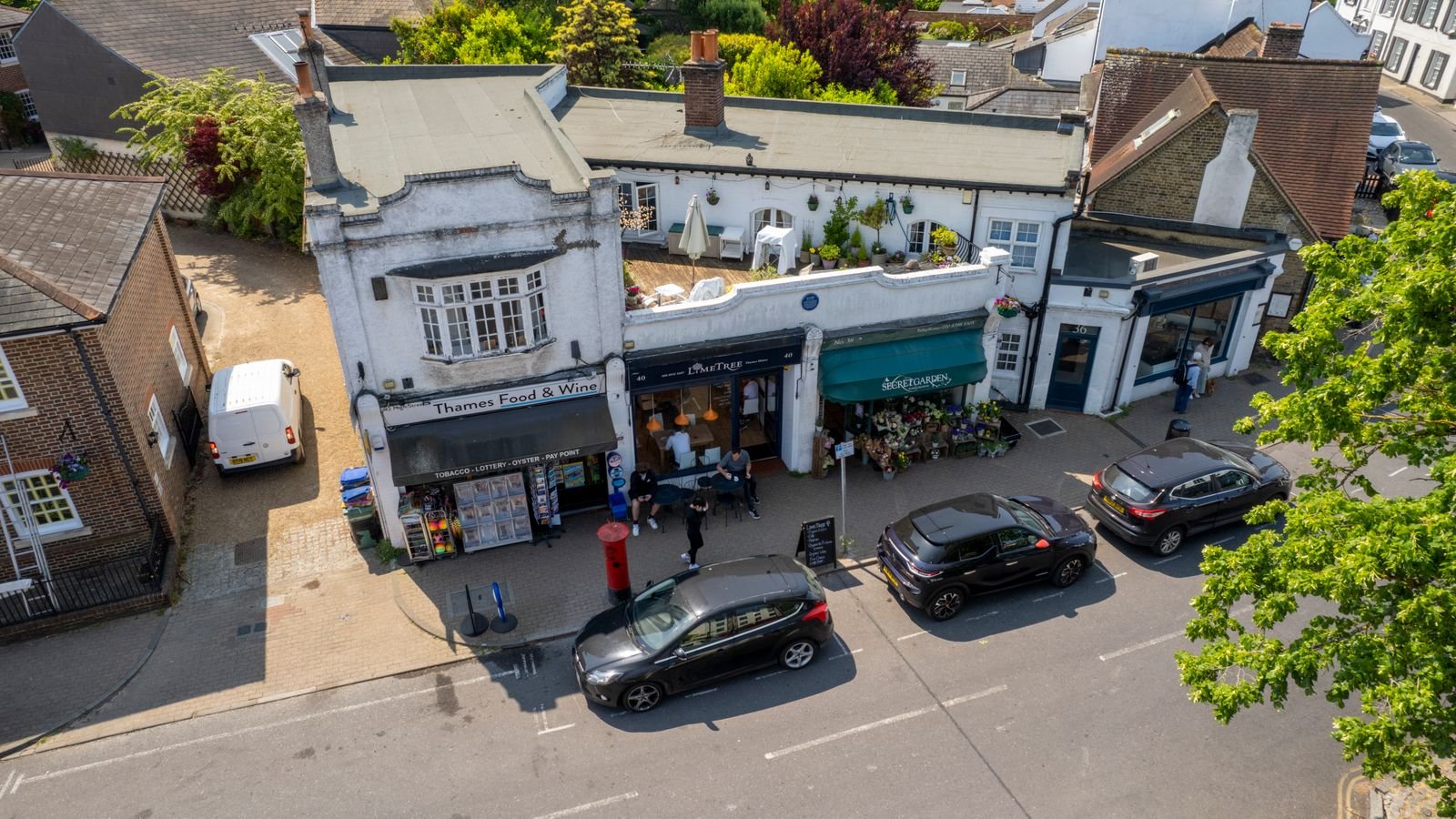
Prestwich village has the feel of a place where people still pop out to the shops. Along Bury New Road and the streets around it there are small offices above shops, converted houses with a surgery or an accountant on the ground floor, independent traders, clinics and a good number of businesses that have been in the same premises for years. Cleaning for these premises is not the same as cleaning a large business park unit. It is smaller, more varied and more tied to the way the building is used. This guide looks at what a Prestwich office cleaning arrangement usually involves, from visit times to shared toilets and carpets, and how a small business owner can set it up sensibly.
The kind of premises you find in the village
Prestwich businesses tend to occupy a few recognisable types of building. Understanding which one you are in is the first step to a sensible cleaning plan.
- Offices above shops, reached by a side door or a narrow staircase, often with shared stairs and a single toilet.
- Converted houses, where each room has become an office or a consulting room and the old hallway is now a reception.
- Ground-floor shops with a stockroom behind and a small staff area.
- Clinics and treatment rooms, where cleanliness is part of what the customer is buying.
- Small business suites in larger buildings, with a shared entrance and communal areas.
Each has its own pressure points. The staircase of an office above a shop gets dirty from the street. A converted house has an assortment of floor types that do not suit one method. A shop has a front of house that must look right at opening time. A clinic needs a considered approach to surfaces that clients and patients touch. A cleaning plan that ignores these differences will not be a good fit.
Visit times that work around opening hours
For most small businesses, the best time for a clean is when nobody is there, or when the premises are least busy. In practice, that means two common patterns.
Early visits
An early clean finishes before the first customer or member of staff arrives. It suits shops, clinics and any business where the front of house matters first thing in the morning. The advantage is a fresh start, with floors dry, bins empty and glass clean. The point to check is access, because the cleaner needs a key or an entry code, and an alarm arrangement that is clearly agreed.
Late visits
A late visit takes place after closing. It suits offices and shops that open early or that are busy all day. The benefit is that the cleaner can work freely through the premises, including areas that are in use during the day. Ask about lone working and security if you are closing late, and agree who locks up.
Whichever you choose, keep the time consistent. Regular cleaners are more efficient when they know the building and when the staff know when to expect them. If you need to change a visit, give notice, and say if something unusual has happened.
Shopfront glass and entrances
The first thing a customer sees is the doorway. On a busy road, a shop front gets dusty, splashed and smeared faster than the inside of the building. Glass, door handles, thresholds and the strip of pavement immediately outside all contribute to the impression.
A regular clean of the inside face of the glass and the door furniture helps a lot. External glass cleaning is often a separate job, particularly for upper floors and fascias, and requires suitable access. Entrance floors take the worst of the wear. Mats, tiles and hard flooring by the door need frequent sweeping and mopping, with a drying step in wet weather so that customers do not slip. If you have a carpeted entrance, regular vacuuming helps, and periodic deep cleaning prevents the muddy look that builds up on high-traffic strips.
Shared toilets in converted buildings
Many older buildings in the village have a single toilet shared by several tenants or by staff and visitors. Shared facilities can easily become a source of dispute in a small business building. Everyone uses them, nobody feels responsible and, when cleaning is not clearly assigned, standards drift.
Agree one of three arrangements, and put it in writing.
- The landlord or managing agent arranges the cleaning of shared areas, and the cost is included in the service charge.
- The tenants share the cost of a cleaner who looks after the common areas.
- Each tenant is responsible for the stretch of hallway or stairs next to their door, and one of them takes care of the toilet.
A written arrangement stops the situation where each tenant waits for another to act. Check the lease or tenancy for what it says about common parts, and, if anything is unclear, ask the landlord or agent. A cleaning provider can quote for a single business or for a shared area, and it helps to say which when you ask.
For regular toilet care, a visit should include cleaning and disinfecting the toilet, basin, taps and floor, restocking consumables if agreed, emptying the bin and wiping touch points such as the flush, door handle and light switch.
Carpets in office suites
Small offices often have carpet that was fitted when the suite was converted and has had years of wear. Desk chairs, foot traffic from the door and the occasional spilled coffee all leave their mark. Regular vacuuming keeps the surface in order, but it does not lift the soil that settles into the pile. Periodic deep cleaning refreshes the carpet and extends its life.
In a small suite, carpet cleaning is usually arranged in the quietest period, with furniture moved if needed and enough time for the floor to dry. Mention any areas that have stains, and say if the carpet has a specific backing or has been treated. Exclusive Pro Cleaning’s commercial carpet cleaning page describes the process for business premises, and it is worth reading before you ask for a quote. If you want a regular service for the whole office, the office cleaning page explains what a routine visit covers and how it can be shaped around your premises.
What a small business usually books
Most small offices and shops in the area settle on a simple pattern.
- A regular visit, daily, several times a week or weekly, for floors, desks, kitchen areas, toilets and bins.
- A periodic task, such as carpet cleaning, internal window cleaning or a deep clean of the kitchen and toilets, a few times a year.
- A one-off clean, for a move, a refit or a change of tenant.
The right frequency depends on footfall. A shop with constant visitors needs more attention than a quiet office with two people. Start with a modest schedule, review it after a month and adjust. A good provider will tell you if you are paying for more than you need.
Coverage and getting in touch
Exclusive Pro Cleaning lists cleaning in Prestwich as one of the places it works, and says it covers the wider Greater Manchester area from its base near Crumpsall. If you are not sure whether your premises are covered, the contact form is the quickest way to find out. Describe the building, the hours you need and any access issues, and ask for a free quote.
Questions to ask before you book
- What exactly is included in each visit, and what is extra?
- Who will come, and will it be the same person each time?
- How do you handle keys, alarm codes and security?
- Are you insured, and what happens if something is damaged?
- Can I see a written scope and a price before I commit?
- How do I report a missed task, and how quickly is it put right?
These questions work for any premises, and a good provider will answer them clearly.
Supporting local business
Small businesses in places like Prestwich often have no facilities manager, and the owner ends up doing the cleaning list on top of everything else. Getting this off your plate is not a luxury. The Federation of Small Businesses is a membership organisation for small firms and self-employed people, and it is one of the places where owners go for advice on running a small business. Whatever else you use, treat cleaning as a regular business cost with a clear scope, and not as a favour or an afterthought.
FAQs about office and shop cleaning in Prestwich
Do you clean offices above shops?
Yes, that is a common request. Say how access works, whether the stairs are shared and where the toilet is.
Can I have a cleaner before opening?
Early visits are a popular choice for shops and clinics. Agree a time, a key arrangement and how the alarm will be handled.
Who cleans the shared toilet in my building?
That depends on the lease or the arrangement between tenants. Put the agreement in writing, and tell any cleaner what is expected.
How often should the office carpet be deep cleaned?
It depends on traffic and use. Many small offices plan a periodic deep clean a few times a year and vacuum regularly in between.