
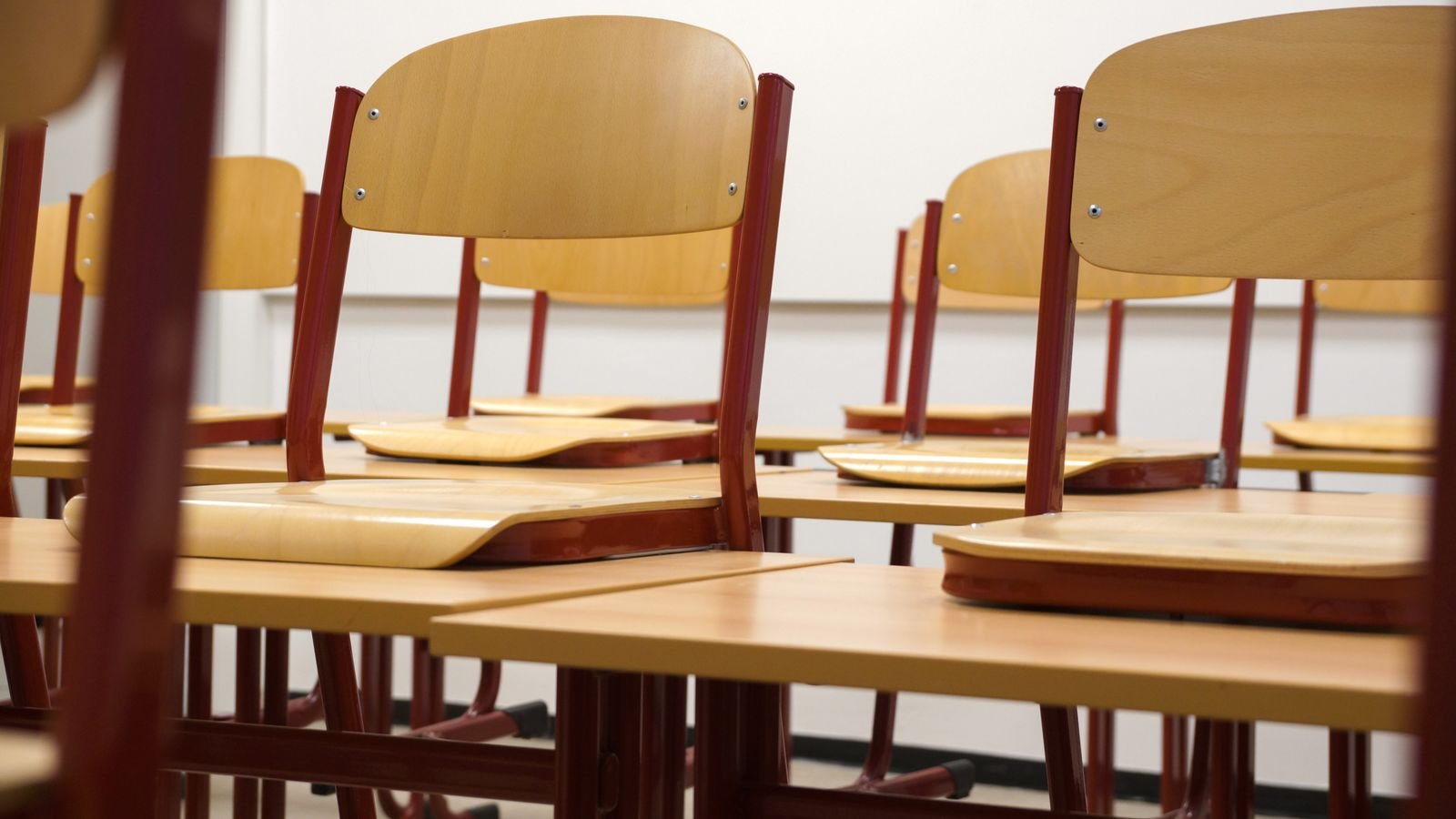
No building type concentrates people, contact and mess quite like a school. Hundreds of children share door handles, desks, toilets, dining tables and sports equipment every day, and young immune systems meet every germ the building holds. Nurseries push the challenge further, because toddlers explore the world with their hands and mouths, and everything at floor level is effectively a touch point.
For heads, business managers and nursery owners across Manchester, cleaning is not a background service. It affects attendance, because infection outbreaks close bubbles and empty classrooms. It affects inspection outcomes, because visible standards shape how a setting is judged. It affects staff morale and parent confidence, because a grubby cloakroom says something no newsletter can undo. This guide sets out what a proper cleaning standard looks like in education settings and how to structure it across the term calendar.
Why Education Settings Are a Different Cleaning Problem
An office is cleaned for appearance and basic hygiene. A school is cleaned to interrupt infection routes. The difference shapes everything, product choice, frequency, sequence and record keeping.
Children in group settings share illness at a rate no adult workplace approaches. Stomach bugs, coughs, colds and seasonal viruses move through classes in days, and the transfer route is almost always surfaces and hands. Public health guidance published on GOV.UK for health protection in schools and childcare settings puts routine environmental cleaning alongside handwashing as a core control for exactly this reason. Cleaning in a school is a health measure first and a presentation measure second, and any contract or in-house arrangement should be built in that order.
Touch Points Are the Front Line
Most surfaces in a school are touched occasionally. A small set are touched hundreds of times a day, and those are the surfaces that move infection between year groups. A proper specification names them and cleans them daily at minimum, with extra passes during outbreak periods.
- Door handles, push plates and stair rails throughout the building
- Light switches and shared keyboards, tablets and equipment trolleys
- Desk and table surfaces, especially dining tables between sittings
- Taps, flush handles, cubicle locks and soap dispensers in every washroom
- Water fountains and bottle-filling stations
- In nurseries, cot rails, high chairs, changing units and the toy stock on rotation
The distinction between cleaning and disinfection matters here. Cleaning removes soil, and disinfection reduces the microbial load left behind, and the second does not work properly without the first. A cloth wiped over a visibly dirty table with disinfectant achieves far less than a clean followed by the right contact time. Trained teams work in that sequence, which is one of the clearest differences between professional and casual cleaning in a school setting.
Washrooms Set the Standard for the Whole School
Ask parents what they remember about their child’s school and toilets come up more than any other room. Pupil washrooms take extraordinary use and abuse, and they fail fast without daily attention. A workable washroom standard includes toilets, urinals and sinks cleaned and disinfected daily, floors mopped with correctly diluted product, consumables checked and refilled, and periodic descaling and deep cleaning of the fittings, tiles and drains that daily cleans maintain but never reset.
Odour deserves its own mention. A washroom that smells is telling you that urine has reached grout, floor junctions or the base of fittings where daily mopping does not reach. Masking it with fragrance changes nothing. The fix is a periodic machine deep clean of the floor and lower walls, which belongs in every school’s holiday programme. It is also worth agreeing which staff toilets and visitor washrooms sit inside the specification, because they are judged by governors, parents and inspectors just as pupil facilities are, and they get forgotten in contracts written around classroom counts.
Nurseries Raise the Bar Again
Early years settings compress all the challenges of a school into rooms used by the least immune, most hands-on population in the building. Three things separate nursery cleaning from general school cleaning.
The first is floor standards. Babies and toddlers spend their day on the floor, so nursery floors need to be cleaned to a standard closer to a table than a corridor, with product choices that are safe around crawling children. The second is toy and equipment hygiene, a rota that gets mouthed toys, soft furnishings and sensory equipment washed or disinfected on a defined cycle rather than when they look grubby. The third is nappy changing and food areas, which need strict colour-coded equipment so that cloths and mops never travel between the changing mat, the kitchen and the toilet. Colour coding is basic professional practice everywhere, but in a nursery it is non-negotiable.
The Cleaning Day Around the School Day
Education settings have a rhythm that cleaning has to fit. The bulk of the work happens after pupils leave, a full clean of classrooms, corridors, halls and washrooms ready for the next morning. A daytime presence handles what cannot wait, dining hall turnaround between sittings, spill and sickness response, washroom checks at break times and entrance floors in wet weather, which in Manchester is a serious slip consideration for a good part of the year.
Sickness response is worth agreeing in advance. When a child is unwell in a classroom, staff need a defined procedure and a spill kit within reach, because vomiting incidents are the single fastest way a stomach bug takes hold in a school. A contractor experienced in education will have this procedure written down before it is ever needed.
Holiday Deep Cleans Do the Heavy Lifting
Term-time cleaning is maintenance under pressure. The half-term and holiday windows are when a school gets genuinely reset, and a well-run programme plans the year around them.
- Carpet extraction in classrooms, libraries and corridors, which term-time vacuuming cannot achieve, scheduled through a professional carpet cleaning visit while rooms are empty
- Machine scrubbing, and where needed stripping and resealing, of halls, dining rooms and safety flooring as part of planned hard floor maintenance
- Full washroom deep cleans, descaling, grout and drain treatment
- High-level dusting of beams, pipework, blinds and light fittings
- Furniture washing, desks, chair legs and table undersides where hands actually go
- Kitchen deep cleaning to a food-safe standard, including equipment and canopies
- Window cleaning inside and out while rooms are clear
The summer break carries the biggest programme, a whole-site deep clean that returns the building to baseline before September. Settings that skip it start the year already behind, and the term-time team spends the autumn managing decline instead of maintaining a standard. Booking holiday programmes a term ahead matters in Manchester, because every school in the region wants the same August fortnight and contractor diaries genuinely fill.
Safeguarding, Vetting and Working in Schools
Anyone cleaning in a school or nursery is working around children, and the arrangements must reflect that. Staff working during occupied hours need appropriate vetting checks in place, and every contractor should be able to evidence its position on checks, supervision and site sign-in without being chased. Consistency of personnel matters too. A stable, familiar team that knows the site, the staff and the routines is safer and more effective than a rotating cast of strangers, and it is one of the first questions worth asking any prospective provider.
Product storage is the other education-specific discipline. Cleaning chemicals in a school must be stored locked and away from children, with proper data sheets available and staff trained in dilution and use. A contractor who cannot describe their storage and training arrangements for an education site has not worked in many. The same discipline covers equipment, since vacuums and machines used in a nursery should be maintained, filtered appropriately and kept clean themselves, because a dirty machine simply redistributes what it was meant to remove.
What Good Looks Like Day to Day
Standards slip quietly, so build in visibility. A workable arrangement includes a written specification for every area, signed cleaning records for washrooms and food areas, a named supervisor who walks the site regularly, and a simple route for staff to log issues that gets a response by the next visit. Most schools that are unhappy with their cleaning do not have a bad cleaner problem, they have a no-specification problem, and nobody can be held to a standard that was never written down.
These structures are standard practice in well-run commercial cleaning contracts, and education settings should expect nothing less than offices receive, given that the stakes are higher.
Whether you run a primary school, a high school site or a nursery group, the pattern that works is the same, daily hygiene-led cleaning built around touch points and washrooms, a responsive daytime presence, and holiday deep cleans that reset the building on schedule. Get those three layers right and the setting stays clean, healthy and inspection-ready all year.
We clean education settings across Greater Manchester and can build a specification around your site, your calendar and your budget, including holiday deep cleans planned a term ahead. Tell us about your setting and request a free quote, and we will arrange a walkthrough at a time that suits the school day.