
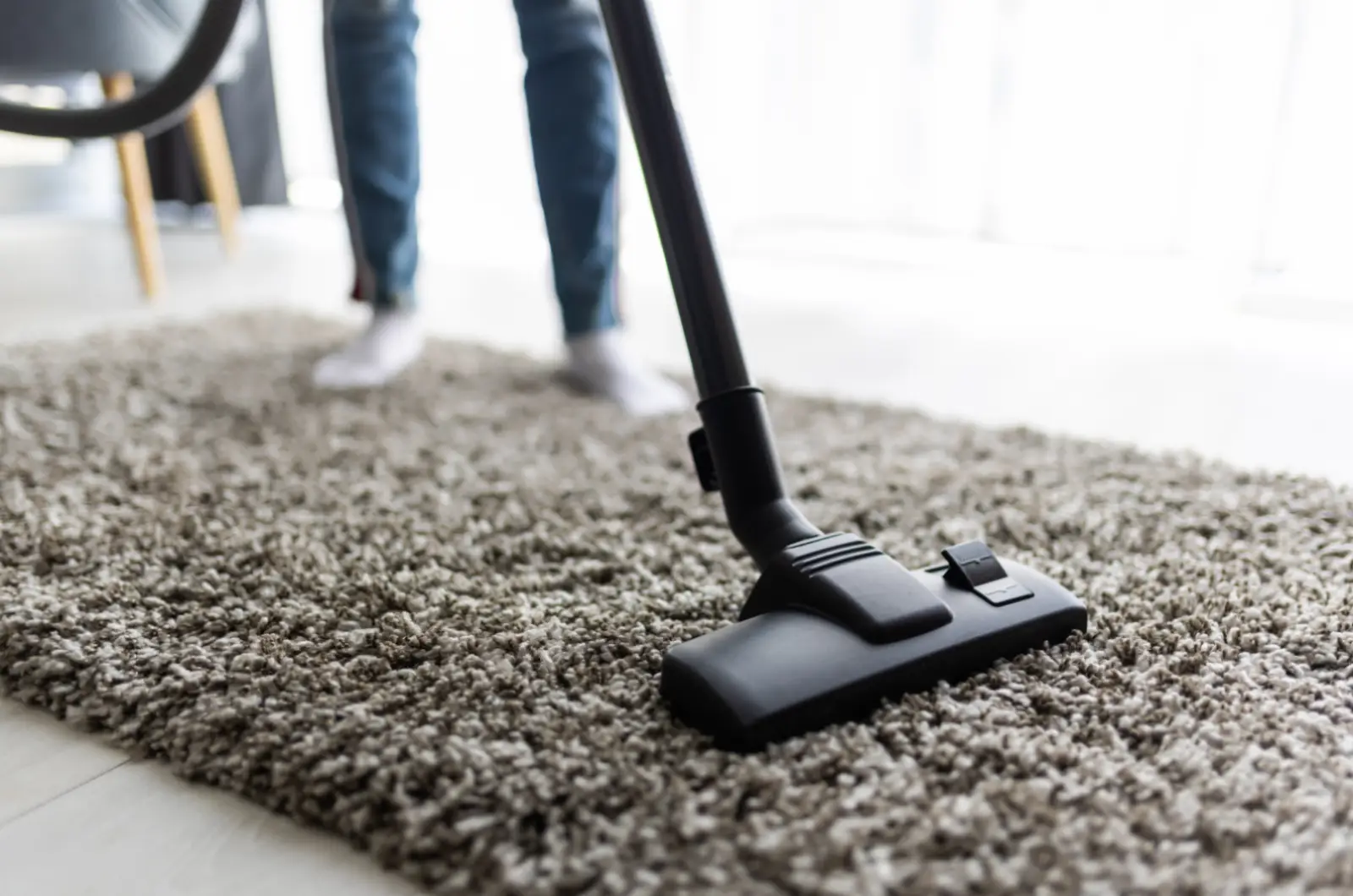
Start with the carpet and the way the office uses it
Keeping an office carpet clean in Manchester needs more than a date for the next specialist visit. The person managing the premises needs to know which carpet is installed, how different areas are used and what happens when a spill or damaged edge is noticed. A meeting room used occasionally should not automatically receive the same attention as the entrance route beside a busy reception desk.
Begin with a walk through the office and a simple floor plan. Mark entrances, desks, meeting rooms, refreshment areas and the paths people use between them. Note visible soil, stains, loose edges and any areas hidden by furniture. This gives a contractor a useful starting point for assessment without assuming that every mark can be removed or that one cleaning method suits the whole building.
Find the product information before choosing a method
Look for the carpet’s manufacturer, product name, installation record and care instructions. These may be held by the landlord, facilities team or fit-out contractor. Tell the cleaner if you cannot find them. A photograph can help describe the floor, but it does not establish every detail of the fibre, backing or previous treatment.
Ask how the contractor will assess suitability before proposing work. Explain any repairs, recurring marks, previous cleaning products and known water incidents. If the office has several carpet types, identify the boundaries. A treatment accepted for one section should not silently become the plan for another section whose construction or care requirements differ.
Distinguish routine work from a deeper visit
As one manufacturer’s example, Tarkett’s carpet maintenance guidance distinguishes routine attention, periodic maintenance and assessed deep cleaning. It also explains that maintenance depends on use and the area involved. Its detailed methods apply to its products and recommendations; they are not a universal instruction for every carpet in a Manchester office.
Use that distinction when discussing your own floor. What should the regular team do during ordinary visits? What needs a specialist assessment? How will they decide when additional treatment is needed? A clear answer describes the actual carpet and condition. A fixed promise that every office needs the same method at the same interval leaves those questions unanswered.
Make routine vacuuming a defined task
Agree which areas will be vacuumed and how often they will be checked. The schedule should reflect use, condition and the carpet’s instructions rather than a frequency copied from another office. Ask which equipment and attachments are suitable. The person using the vacuum needs to know how to maintain its filters and collection system according to the equipment instructions.
Access is part of the task. A cleaner cannot reach a strip of floor covered by boxes or a tangle of loose cables. Decide which items staff will clear before the visit and what the contractor is expected to move. Do not let an unrecorded access problem become a repeated omission that appears to be poor cleaning when the same obstacle is left in place every evening.
Give entrance areas a separate check
Look at where outside dirt and moisture first enter the office. Check the condition and position of existing entrance matting, and ask whether it suits the route and traffic. A mat needs its own cleaning and maintenance arrangement. A curled edge, loose section or saturated mat should be reported rather than treated as a useful barrier simply because it is near a door.
Watch the route beyond the mat as well. People may bypass it through another entrance or carry deliveries across an unprotected area. Record what happens in the building rather than assuming the main front door is the only route that matters. Any change to matting or layout should keep entrances and escape routes usable and should be assessed by the person responsible for the premises.
Make spill reporting easy for staff
Tell staff whom to contact when something spills and what information to provide. The location, approximate time and substance involved help the cleaning team assess the next step. If a person does not know what caused a mark, they should say so. Guessing can be less useful than an accurate record of what was actually seen.
Use the carpet manufacturer’s instructions for any immediate action and keep unapproved products away from the floor. A desk drawer full of miscellaneous stain removers is not a cleaning plan. Ask the contractor what staff can safely do and when they should leave treatment to a competent person. Record any product already applied so the next cleaner does not unknowingly combine treatments.
Separate stains from damage
A mark may involve surface soil, an old stain, discolouration, wear or a damaged backing. Cleaning does not repair every one of those conditions. Ask the contractor to explain the likely limitations before agreeing the work, particularly where a patch has been repeatedly treated or the surface already looks altered.
Loose tiles, raised seams and water coming from another source need their own action. Tell the landlord or appropriate maintenance contact where the issue is. A cleaning visit should not be used to hide a defect that affects safe access or keeps returning. Keep repair notes beside the cleaning record so the same problem is not rediscovered without anyone owning the follow-up.
Plan access around the people who use the office
Before a specialist visit, confirm when each area can be released and when it needs to be used again. Meeting bookings, early arrivals and shared corridors can affect the order of work. Ask whether the job can be divided into sections and what conditions must be met before a section reopens.
Where desks, chairs or storage units need moving, agree who will assess and carry out that work. Do not assume a pair of cleaners will move heavy furniture or disconnect office equipment. Tell the contractor about fixed desks, floor boxes and equipment that must remain in place. A realistic access plan states both what can be reached and what will remain excluded.
Ask for a drying estimate with conditions
If the proposed method introduces moisture, ask for an estimate based on the carpet, method and room conditions. Do not promise colleagues that every area will be ready after the same number of hours. Explain any limits on ventilation, heating or out-of-hours access before the booking is confirmed.
Ask what aftercare is required and how readiness for use will be checked. Agree who keeps people away while an area is unavailable and who receives a report if drying takes longer than expected. The schedule needs to include those responsibilities, not simply the time the cleaning equipment leaves the room. Keep the instructions where the opening team can find them.
Compare quotations on the actual work
Give suppliers the same floor plan, room list and photographs. Include access limitations and areas with particular concerns. Ask whether the quote includes assessment, furniture movement, spot treatment and any return visit or follow-up process. If a task is excluded, have that written clearly before comparing prices.
Our office carpet cleaning service is the relevant starting point for a workplace enquiry. Explain what your routine cleaning already covers and where it falls short. The proposed work should address those needs without promising a guaranteed stain result, a particular carpet lifespan or a reduction in staff sickness that has not been established.
Check the completed work with a useful record
Review the agreed areas in a consistent order. Note completed tasks, remaining marks, inaccessible sections and aftercare instructions. Photographs can help if they show the location and are permitted by the office’s privacy arrangements. Keep documents, personal information and screens out of any images shared with the contractor.
If appearance needs to be assessed after drying, record when that should happen. Ask how to raise a concern and what information the contractor needs. A precise note identifying the room and mark is easier to investigate than a general statement that the carpet still looks wrong. Avoid applying another product while a concern is being assessed.
Review the plan when the office changes
A change in occupancy, layout or opening pattern can alter how the carpet is used. A quiet room may become a shared work area; a new refreshment point may create a different spill pattern. Review the cleaning arrangement when those changes occur rather than waiting for the original calendar to run out.
Keep the latest product information, task list and completion notes together. They help a replacement manager understand what has been tried and which areas need attention. If a carpet deep clean is proposed, ask how it fits the condition found and the manufacturer’s guidance. More frequent treatment is not automatically the answer to a problem caused by access, damage or unsuitable care.
Arrange the next assessment
For carpet cleaning in Manchester, send the office location, approximate areas, carpet details where available and the times rooms can be released. Explain specific stains, previous treatments and any furniture that cannot move. That gives the contractor a better basis for advice than a request to make the whole floor look new.
The practical aim is an agreed maintenance plan, suitable methods and a checked result. Keep routine attention, specialist treatment and repairs distinct, with a named person responsible for each. That makes the work easier to organise and the next decision easier to assess.